Where is work being repeated?
Trace handoffs, spreadsheets and duplicate entry to find the real bottleneck.
 Research BuiltRESEARCH · DESIGN · SOFTWARE
Early discovery can be unbranded. Client readouts omit participant names.
Secure, accessible software shaped around the decisions and workflows that matter to your organisation.
We map the current workflow, users, information, risks and integration constraints before choosing an architecture. A working slice is tested with the people who will use it. The full service then grows from observed tasks, explicit permissions and measurable acceptance criteria.
Trace handoffs, spreadsheets and duplicate entry to find the real bottleneck.
Define roles, data handling, security and audit events early.
Test task completion and error recovery with actual users.
Our research team connects the sector database, current studies and competitor insight to the design question. Project interviews and task tests establish how the response applies to your own buyers.
What we implement Observe real tasks before committing to a complex interface or workflow.
Read the original source ↗What we implement Build keyboard, contrast, focus and form access into design and acceptance checks.
Read the original source ↗Every stage ends with something the client can inspect and use to make the next decision.
Map workflows, service boundaries, data, permissions, operational needs and acceptance criteria.
Build a thin working path; watch representative users complete realistic tasks and adjust the model.
Implement interfaces, services, APIs, tests, access controls and system connections in releasable increments.
Verify accessibility, security, monitoring, backup and recovery; transfer ownership and plan iteration.
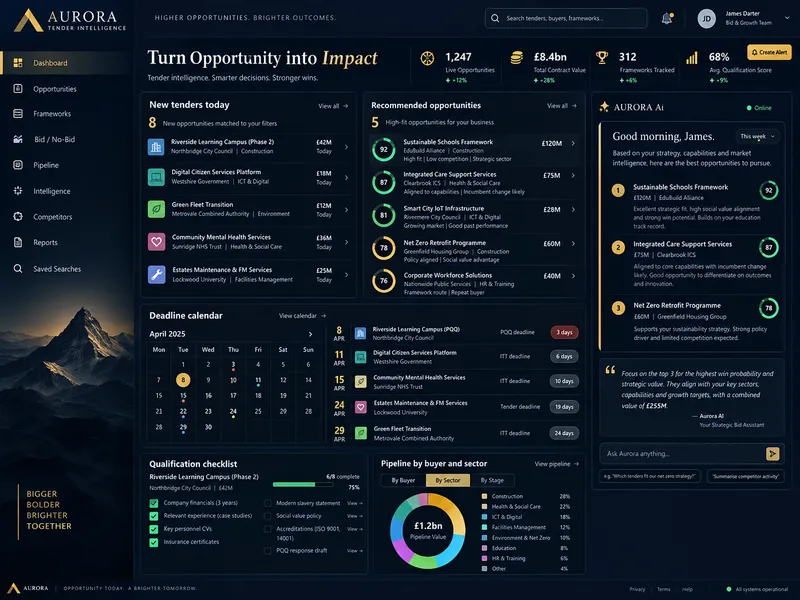
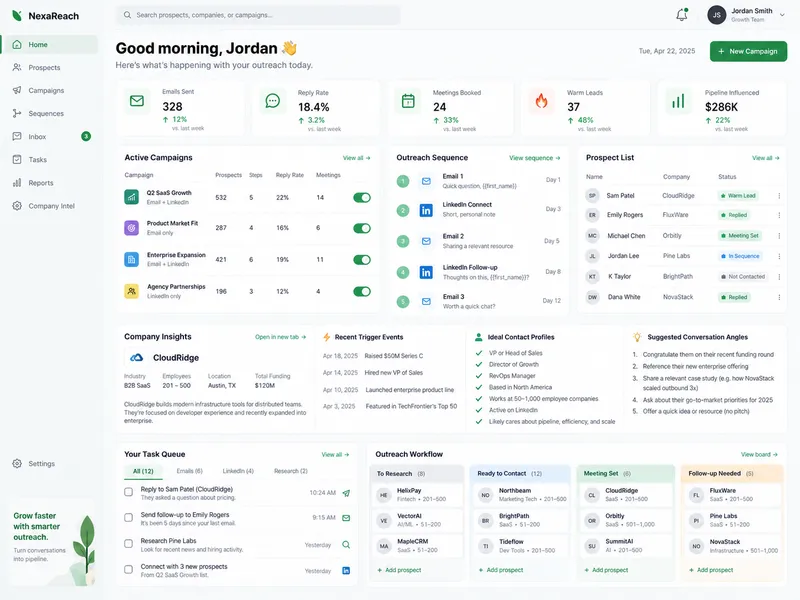
Illustrative screen comparisons show the design decisions we would test with buyers and users.
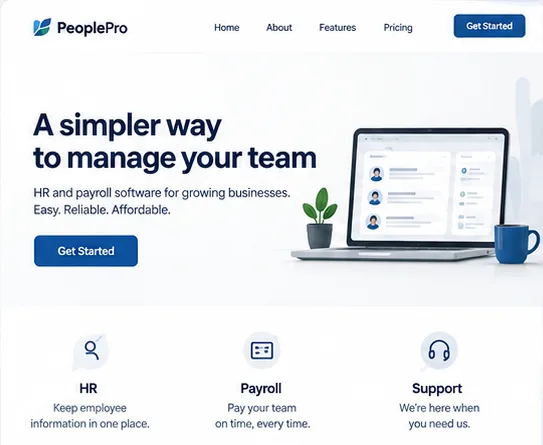
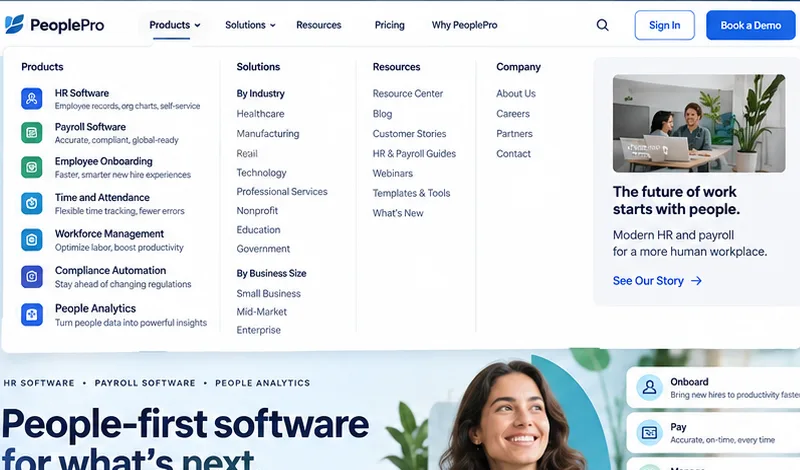
Can HR and payroll teams see how the product would fit their jobs before booking a demo?
See the decisions ↗Payments

Can this payment platform support our markets, integration needs and review process?
See the decisions ↗Yes, once the source systems, APIs, ownership and data permissions have been reviewed and agreed.
We use working increments, named acceptance criteria and demonstrations against real tasks.
Explore the design decisions, visual directions and research process behind each collection.
Work by our creative specialists has won Orpetron Site of the Day and the 2026 WaysAwards website public-vote award.
Start with the decision your customer needs to make or the task your team needs to complete. We will scope the work around that.

Our team keeps an eye on changing markets, buyer behaviour, search habits and competing suppliers across 77 sectors. We bring that work together in our in-house sector research database, alongside current studies and the research context in our 2011–2026 reference archive.
Researchers use that shared context to shape the questions, copy, design and tests for your business. Interviews, focus groups, usability sessions and appropriate A/B tests add evidence specific to your buyers. Findings stay connected to the sector, buying role and task, so the whole website works towards the same purpose.
We build privately and take you through three review checks. Request your refund before final approval or authorised public deployment, whichever happens first, and we return 100% of covered website fees, including VAT. No questions asked.
Your peace of mind comes first. We listen to your feedback, refine the details and walk you through your website before you approve it.
We apply the ISO 9001 quality management method and the ISO/IEC 27001 information security method across research, design, development, release and ongoing improvement. Each connects the work to named owners, checks and reviewable records.
We define the buyer task and acceptance criteria, record research and design decisions, review changes, test the agreed journeys and approve the release against its requirements.
We map information flows, assess risks, choose relevant controls and review access, suppliers and changes. Backup and response checks inform the next security review.