A polished website can still leave its visitor without an answer. Explore the buyer question behind each comparison, the stronger page route and the task that would test it.
of B2B buyers say they would avoid a supplier after a bad website experience. A simple template can become that experience when it leaves their specific questions unanswered.
Start with the role and task. Observe where a generic page leaves an answer hidden. Shape the content and interface around that question, then test whether the new route actually helps. Each example names the evaluation that would establish its value.
NEW / 10 SECTORS
More ways a buyer-led page can work.
01 / INDUSTRIAL AUTOMATION
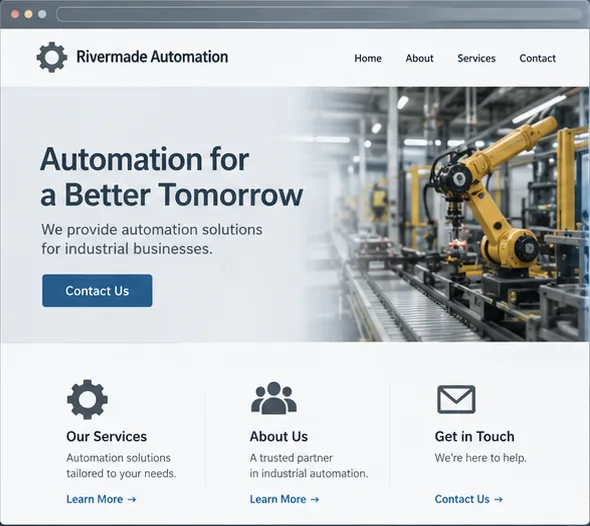
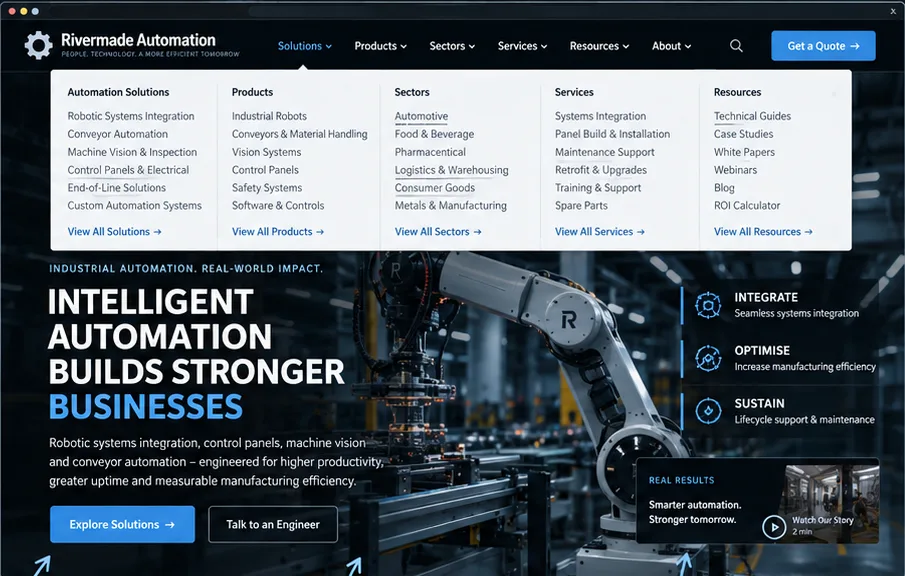
Automation: show the system behind the promise
“Can an engineering team see which automation capability fits its line, integration needs and operating goals?”
BEFORE / BROCHURE ROUTEAFTER / BUYER-LED ROUTE
BEFORE / THE FRICTION
A broad improvement claim leaves robot systems, controls, integration work and support indistinct.
RESEARCH / WHAT TO LEARN
Ask engineers, operations leaders and procurement teams to compare a real production need with the site's solution routes.
AFTER / WHAT CHANGES
Organise solutions, products and sectors around specific production tasks and put an engineering conversation close to the answer.
TEST / WHAT WOULD PROVE IT
Check whether each buyer can find a relevant system route, identify integration questions and start a useful technical enquiry.
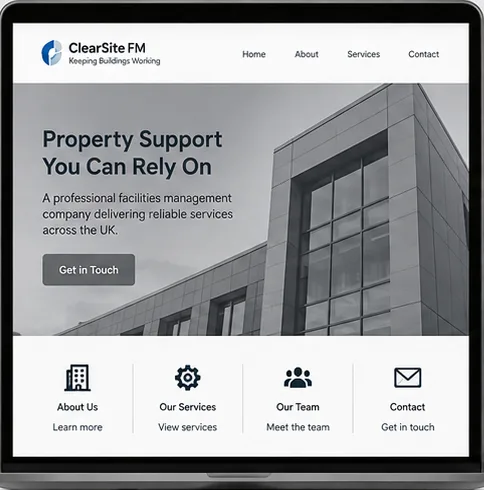
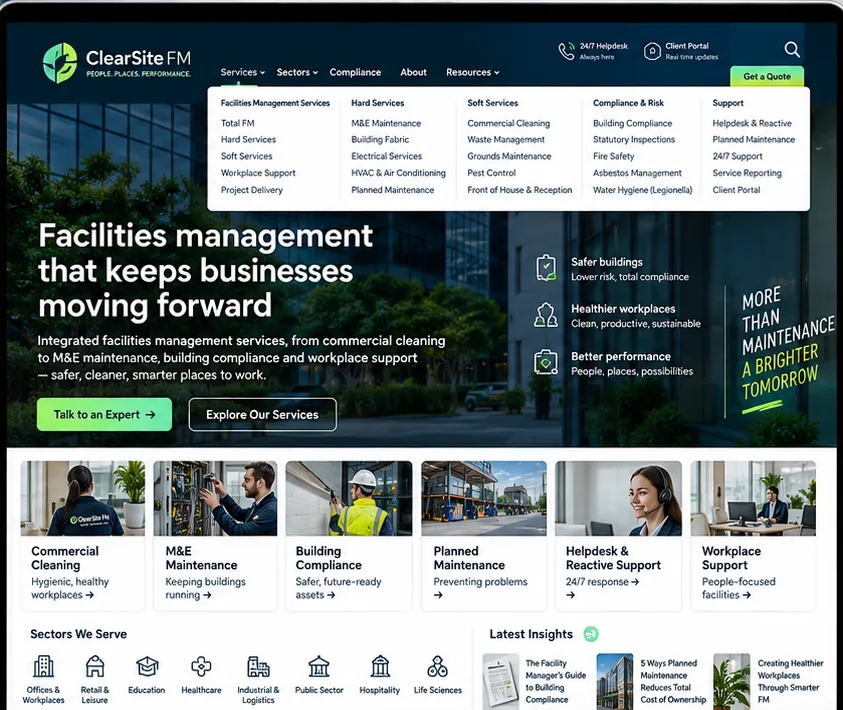
02 / FACILITIES MANAGEMENT
Facilities: make service coverage easy to assess
“Can a facilities lead match the right service to a building, compliance duty and support requirement?”
BEFORE / BROCHURE ROUTEAFTER / BUYER-LED ROUTE
BEFORE / THE FRICTION
A general property-support message gives little help with service scope, site types or the route to a quote.
RESEARCH / WHAT TO LEARN
Observe facilities, estates and procurement buyers finding planned maintenance, compliance and helpdesk information.
AFTER / WHAT CHANGES
Give each service a clear route and connect it to sectors, response options and a specific enquiry.
TEST / WHAT WOULD PROVE IT
Ask buyers to choose a service for a realistic estate and explain the scope they would request.
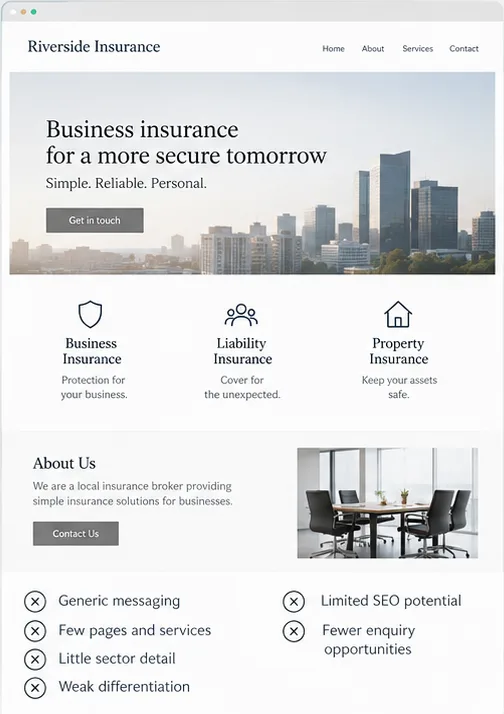
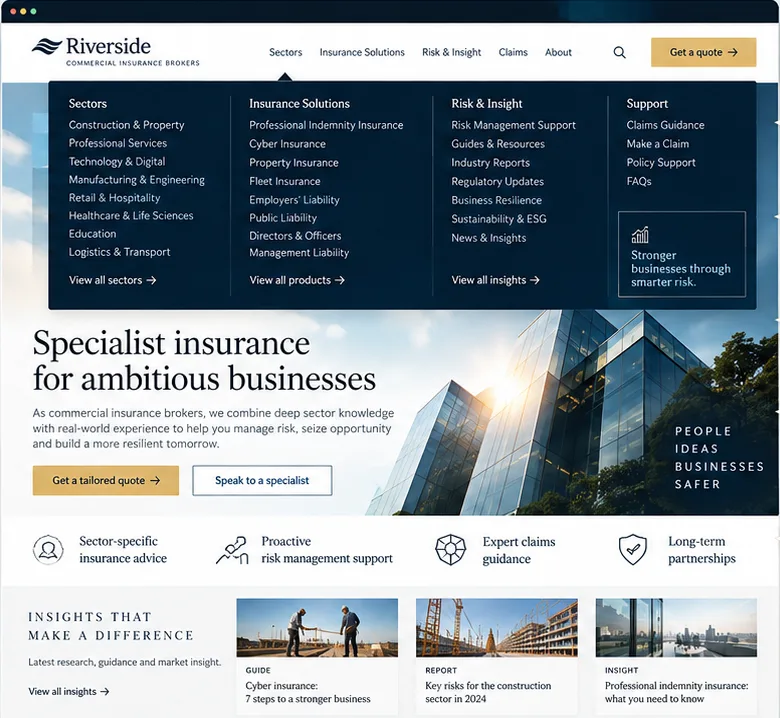
03 / COMMERCIAL INSURANCE
Insurance: start with the risk decision
“Can a business identify relevant cover, sector expertise and the support it would receive when a claim arises?”
BEFORE / BROCHURE ROUTEAFTER / BUYER-LED ROUTE
BEFORE / THE FRICTION
A general reassurance claim makes different risks and policy needs look interchangeable.
RESEARCH / WHAT TO LEARN
Map the questions of directors, risk managers and finance teams when they shortlist a broker and review cover.
AFTER / WHAT CHANGES
Connect insurance solutions to sector risks, show the advice available and offer a more specific quote route.
TEST / WHAT WOULD PROVE IT
Ask a buyer to find the appropriate cover route and the information needed for a first specialist conversation.
04 / LABORATORY TESTING
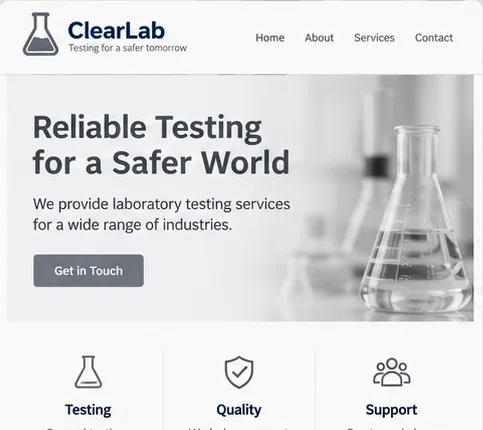
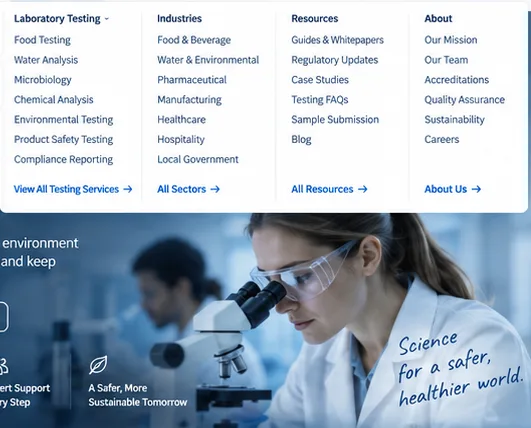
Laboratory: organise tests around the sample
“Can a technical buyer find the right analysis for a sample and understand the submission route?”
BEFORE / BROCHURE ROUTEAFTER / BUYER-LED ROUTE
BEFORE / THE FRICTION
A general testing promise leaves methods, sectors and practical sample steps difficult to compare.
RESEARCH / WHAT TO LEARN
Observe quality, technical and procurement roles looking for a test type, sector context and sample-submission guidance.
AFTER / WHAT CHANGES
Bring the testing disciplines, industries and resources into a navigable structure that leads toward a clear next step.
TEST / WHAT WOULD PROVE IT
Check whether a buyer can select a suitable analysis and describe what information they must provide with a sample.
05 / HR SOFTWARE
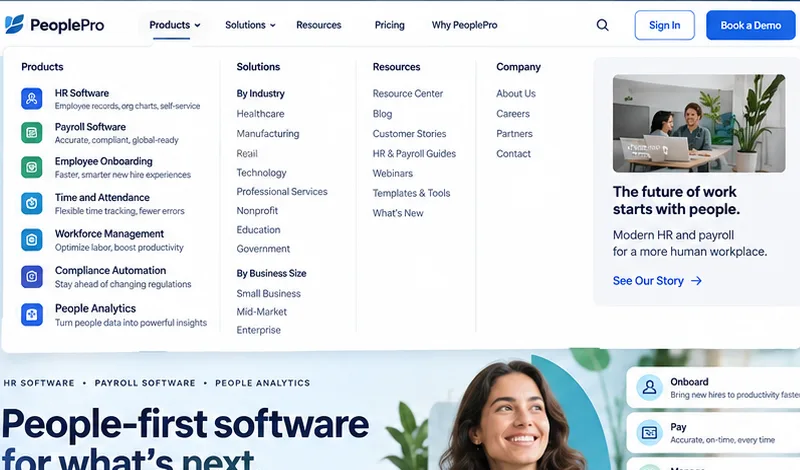
HR software: reveal the workflow before the demo
“Can HR and payroll teams see how the product would fit their jobs before booking a demo?”
BEFORE / BROCHURE ROUTEAFTER / BUYER-LED ROUTE
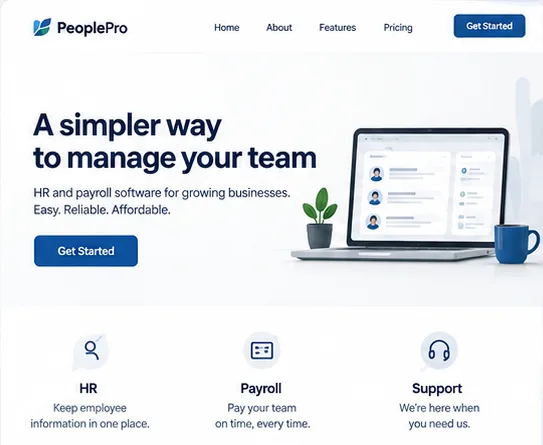
BEFORE / THE FRICTION
A short feature list leaves onboarding, payroll, time tracking and compliance as unexplained labels.
RESEARCH / WHAT TO LEARN
Watch HR, payroll and IT buyers compare product capabilities, integration questions and purchasing steps.
AFTER / WHAT CHANGES
Give each workflow a distinct product route, supported by industry examples and practical resources.
TEST / WHAT WOULD PROVE IT
Ask each role to locate the feature, implementation information and demo route it would use.
06 / PRINT AND PACKAGING
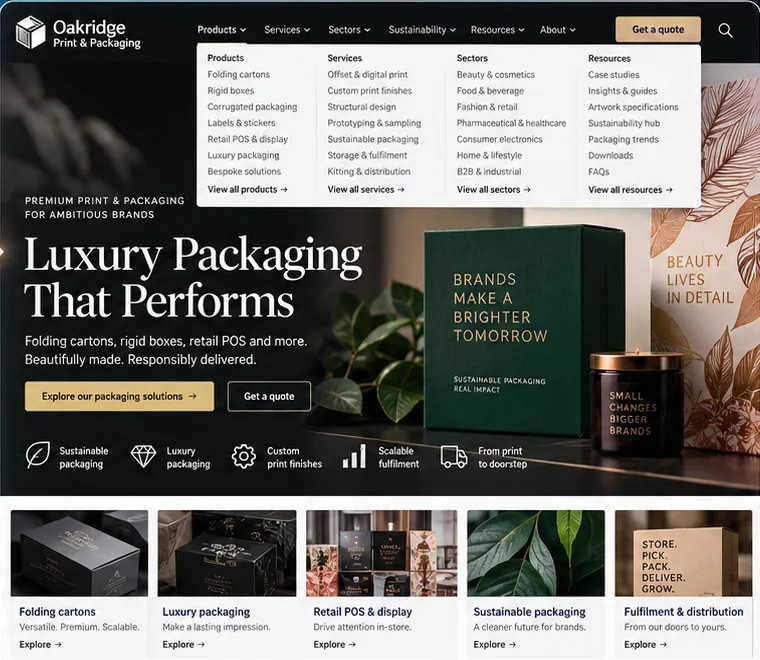
Packaging: help buyers specify the product
“Can a brand team identify the right pack format, finish and production partner for its brief?”
BEFORE / BROCHURE ROUTEAFTER / BUYER-LED ROUTE
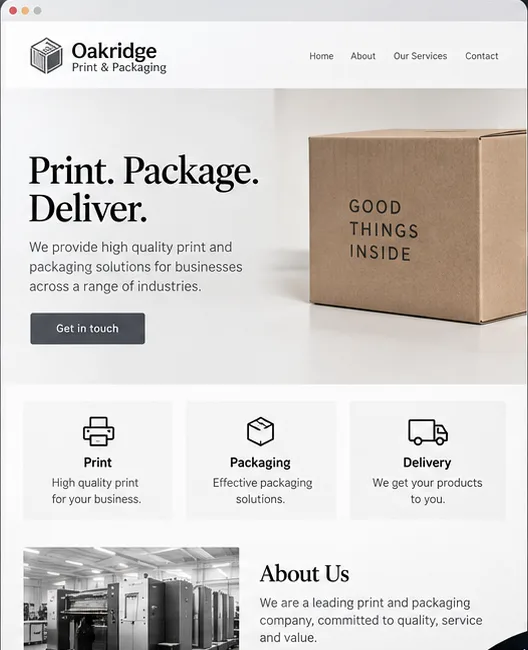
BEFORE / THE FRICTION
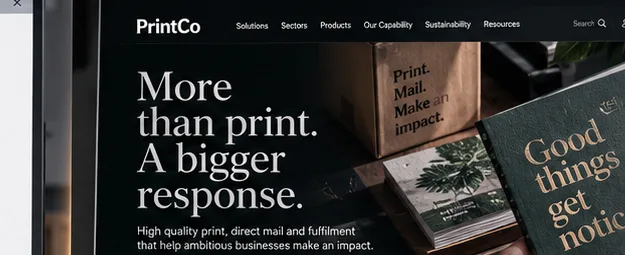
A general print-and-deliver message leaves product categories, materials and sector fit unstated.
RESEARCH / WHAT TO LEARN
Ask packaging, marketing and procurement buyers what they need to compare before requesting a quote or sample.
AFTER / WHAT CHANGES
Show product formats, services and applications together, with a quote route tied to a specific packaging need.
TEST / WHAT WOULD PROVE IT
Ask buyers to find a fitting packaging route and prepare a brief with the necessary specifications.
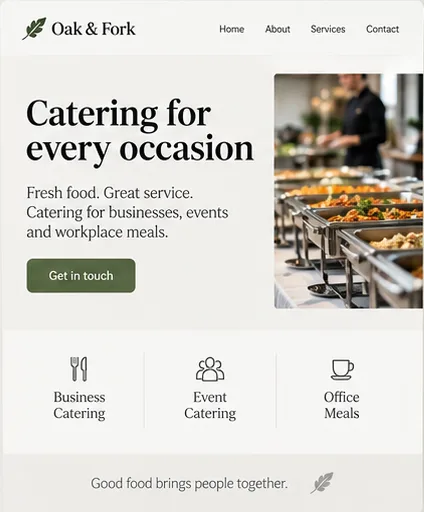
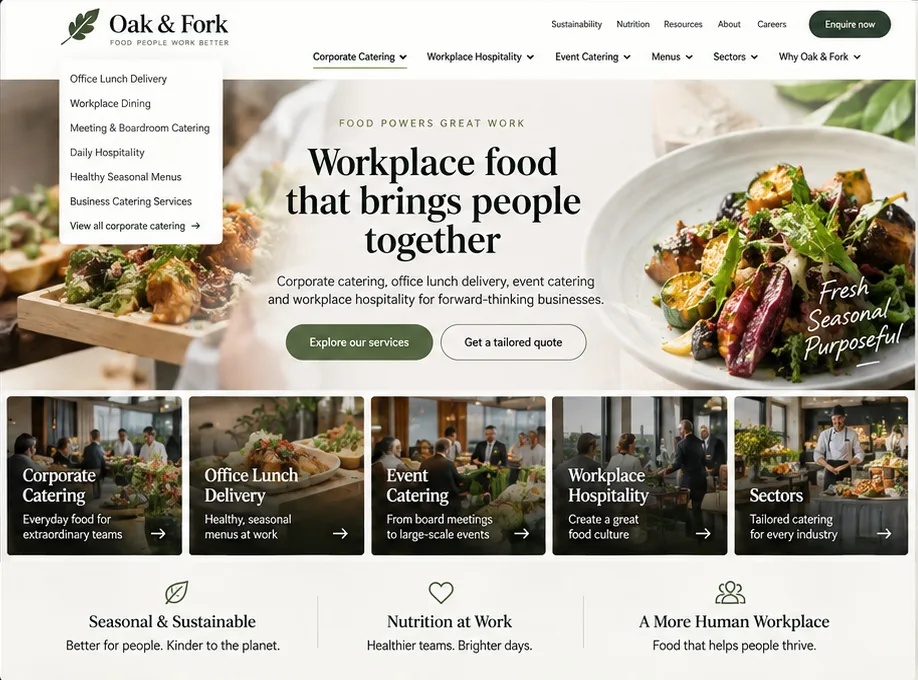
07 / WORKPLACE CATERING
Catering: turn a menu into a business offer
“Can an employer find a catering model that fits its workplace, people and service schedule?”
BEFORE / BROCHURE ROUTEAFTER / BUYER-LED ROUTE
BEFORE / THE FRICTION
A single catering message makes office lunch, daily hospitality and events appear as one service.
RESEARCH / WHAT TO LEARN
Speak with workplace, people and procurement teams about food requirements, delivery model and decision evidence.
AFTER / WHAT CHANGES
Separate workplace catering routes and show the service context beside the enquiry action.
TEST / WHAT WOULD PROVE IT
Check whether buyers can select a relevant service and give the details needed for a useful proposal.
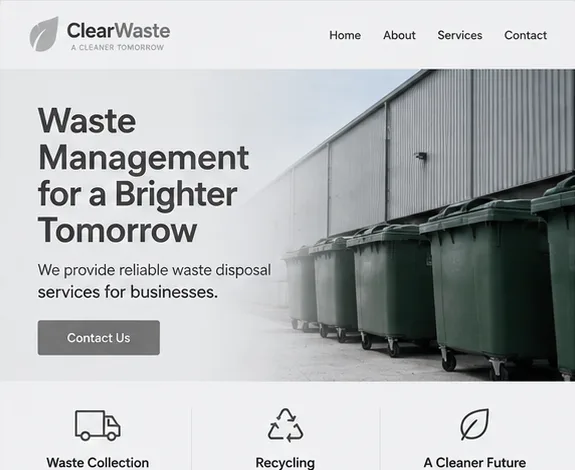
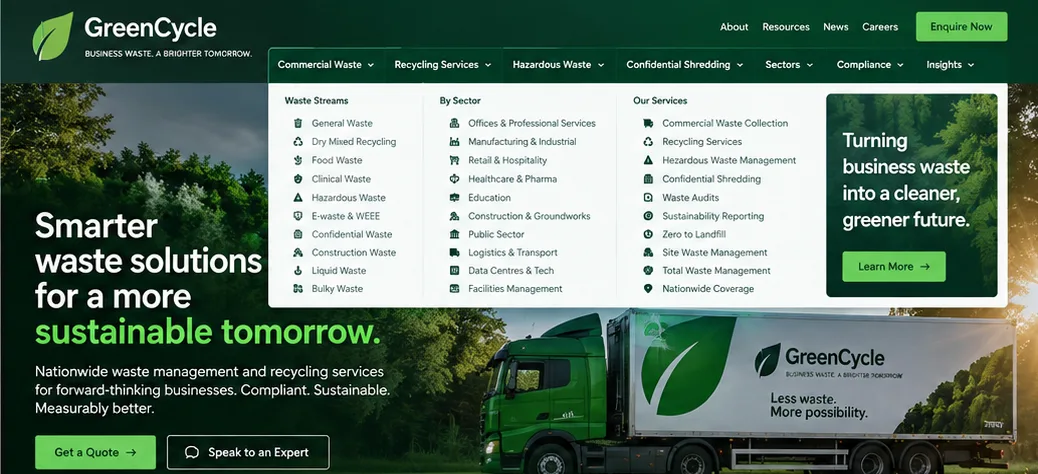
08 / WASTE MANAGEMENT
Waste: lead with the stream and the duty
“Can a site manager find collection and disposal information for a specific waste stream?”
BEFORE / BROCHURE ROUTEAFTER / BUYER-LED ROUTE
BEFORE / THE FRICTION
A broad disposal claim gives little guidance on materials, site requirements or documentation.
RESEARCH / WHAT TO LEARN
Observe operations, sustainability and compliance buyers finding waste-stream, collection and reporting information.
AFTER / WHAT CHANGES
Organise streams, sectors and services into direct routes and make expert contact easy to locate.
TEST / WHAT WOULD PROVE IT
Ask a buyer to find the right route for a realistic stream and list the facts needed to request a collection.
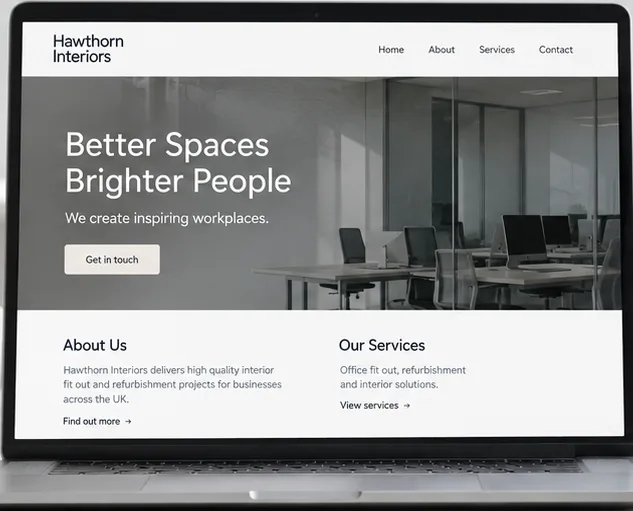
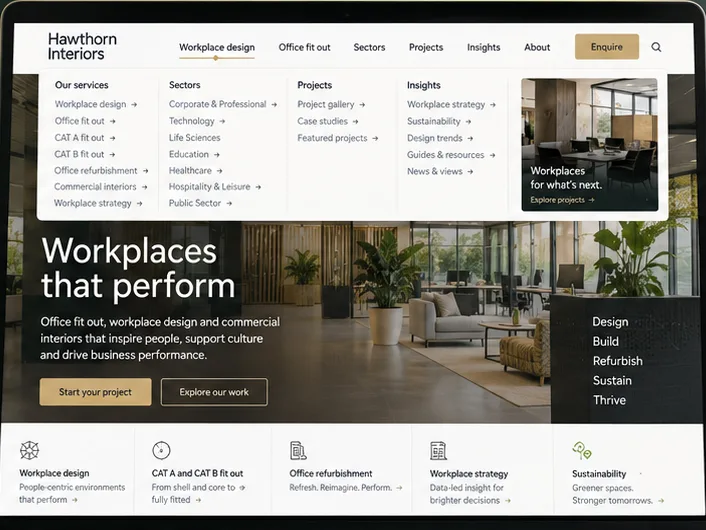
09 / WORKPLACE INTERIORS
Interiors: connect spaces to project needs
“Can a client see whether a workplace team can design, fit out or refurbish the space they have in mind?”
BEFORE / BROCHURE ROUTEAFTER / BUYER-LED ROUTE
BEFORE / THE FRICTION
An attractive workplace statement leaves the delivery scope and comparable work hard to inspect.
RESEARCH / WHAT TO LEARN
Have property and workplace buyers explore service, sector and project routes using a realistic brief.
AFTER / WHAT CHANGES
Show the disciplines, sector applications and project entry points in the first decision path.
TEST / WHAT WOULD PROVE IT
Ask buyers to locate a comparable project and choose a relevant project-start route.
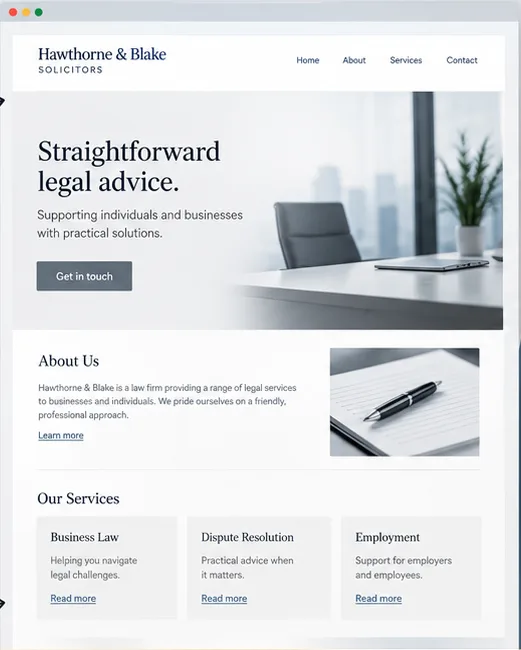
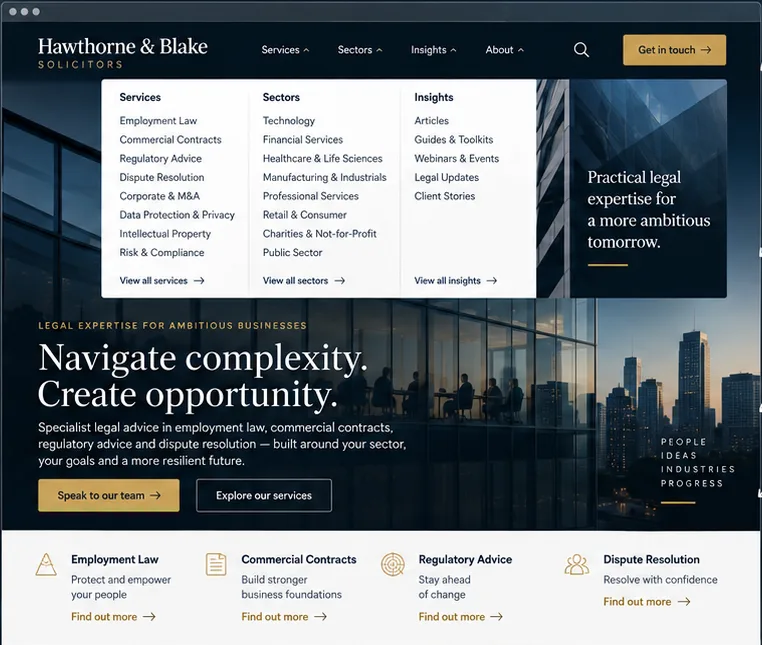
10 / LEGAL ADVISORY
Legal: give each matter a clear starting point
“Can a business find advice for its legal matter and judge whether the firm understands its sector?”
BEFORE / BROCHURE ROUTEAFTER / BUYER-LED ROUTE
BEFORE / THE FRICTION
A broad legal-advice message asks the visitor to infer practice areas, sector fit and the next step.
RESEARCH / WHAT TO LEARN
Ask business leaders and legal buyers how they name their issue, compare expertise and decide to make contact.
AFTER / WHAT CHANGES
Surface practice areas, sectors and relevant guidance, then give each matter a direct conversation route.
TEST / WHAT WOULD PROVE IT
Check whether a buyer can find the right practice area and identify the facts to bring to a first meeting.
MORE TO EXPLORE
Keep comparing the decisions.
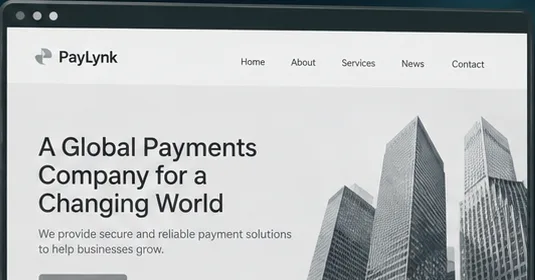
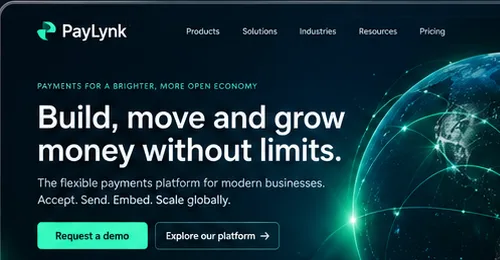
11 / PAYMENTS
Payments: explain the use case before the demo
“Can this payment platform support our markets, integration needs and review process?”
BEFORE / BROCHURE ROUTEAFTER / BUYER-LED ROUTE
BEFORE / THE FRICTION
A broad global-payments claim leaves product fit, implementation and the next buying step unclear.
RESEARCH / WHAT TO LEARN
Interview finance, product and procurement roles about the payment flow, regions and evidence they need before a demo.
AFTER / WHAT CHANGES
Lead with specific payment tasks, solution routes and a clear path to implementation information.
TEST / WHAT WOULD PROVE IT
Ask a buyer to identify a suitable product route and the questions they would bring to a demo.
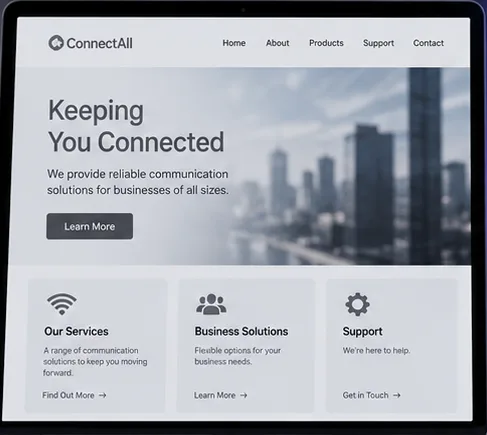
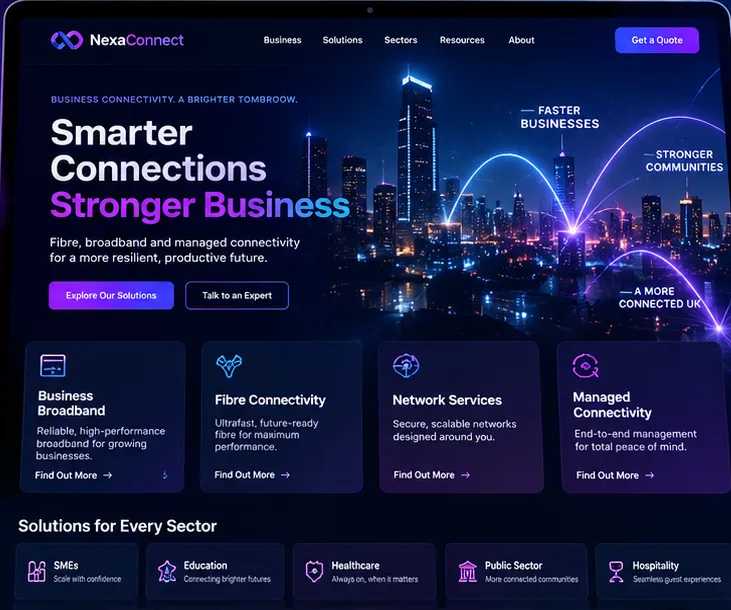
12 / CONNECTIVITY
Connectivity: give each buyer a clear route
“Which connection or managed service fits our sites, and what happens after we enquire?”
BEFORE / BROCHURE ROUTEAFTER / BUYER-LED ROUTE
BEFORE / THE FRICTION
A general promise and undifferentiated products make business buyers work out the fit themselves.
RESEARCH / WHAT TO LEARN
Map the questions of operations, IT and procurement teams, then test service comparison and quote tasks.
AFTER / WHAT CHANGES
Separate broadband, fibre, network and managed services, with sector routes and a specific enquiry.
TEST / WHAT WOULD PROVE IT
Check whether a buyer can select a relevant service and describe the next step without help.
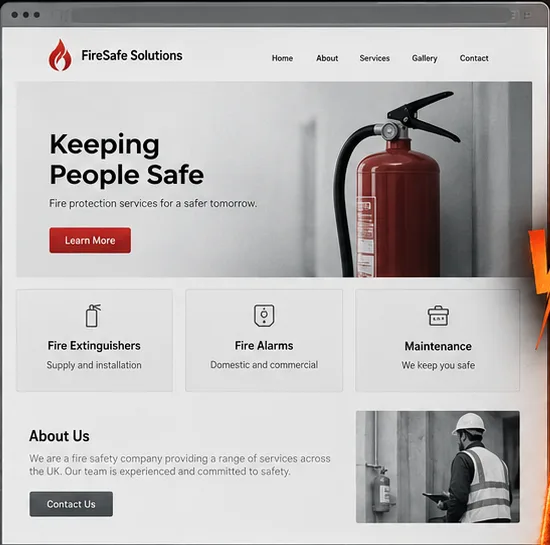
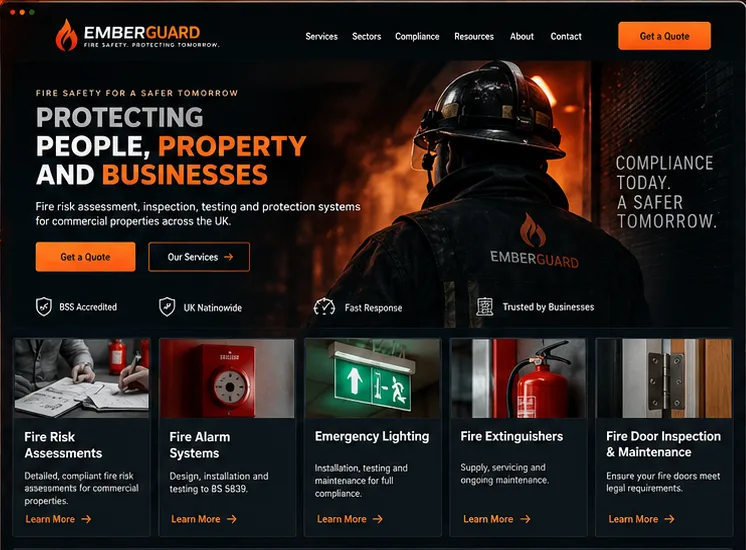
13 / FIRE SAFETY
Fire safety: make the compliance route visible
“Which fire-safety service meets our building need, and what evidence supports the provider?”
BEFORE / BROCHURE ROUTEAFTER / BUYER-LED ROUTE
BEFORE / THE FRICTION
A generic safety slogan and a short service list hide the difference between assessment, installation and maintenance.
RESEARCH / WHAT TO LEARN
Observe facilities and compliance buyers seeking scope, standards, service coverage and a suitable quote route.
AFTER / WHAT CHANGES
Organise the service choices around the building task and put relevant proof beside the claims it supports.
TEST / WHAT WOULD PROVE IT
Ask participants to find an appropriate service and the evidence they would need for internal approval.
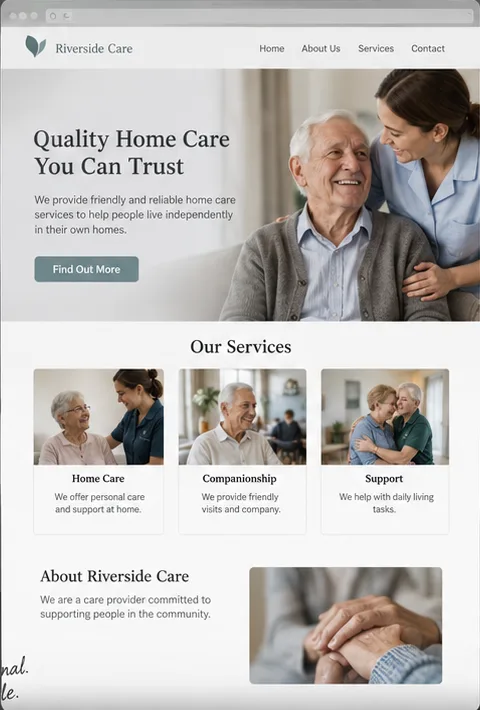
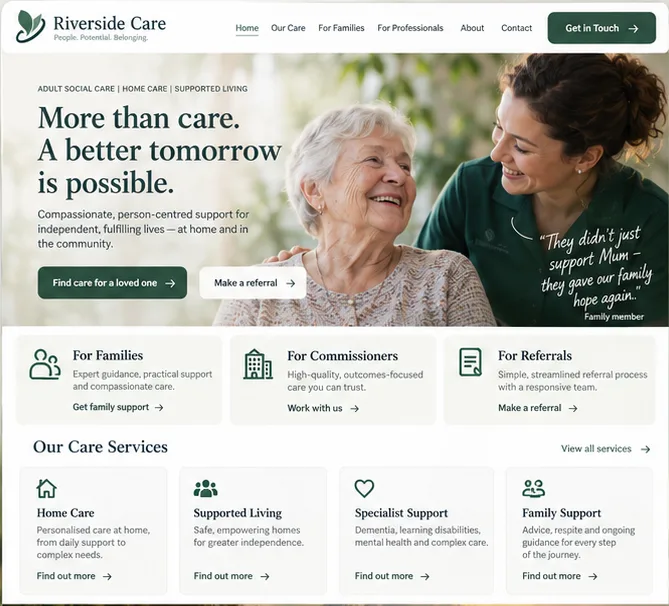
14 / SOCIAL CARE
Care: separate family and commissioner journeys
“Can a family find the right support while a commissioner finds the service information they need?”
BEFORE / BROCHURE ROUTEAFTER / BUYER-LED ROUTE
BEFORE / THE FRICTION
One general care message makes distinct audiences search through the same brochure-style route.
RESEARCH / WHAT TO LEARN
Speak with families, referrers and commissioners separately, then watch each group try a realistic information task.
AFTER / WHAT CHANGES
Give families, commissioners and referrers their own clear entry points, with service detail close to the decision.
TEST / WHAT WOULD PROVE IT
Measure whether each audience finds a suitable support route and understands how to make contact.
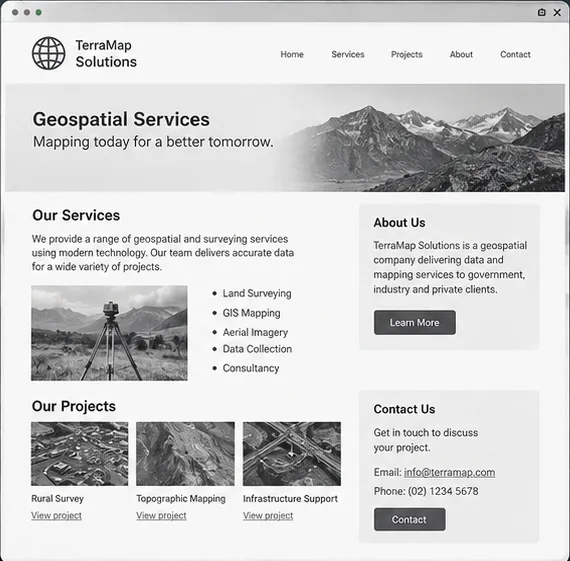
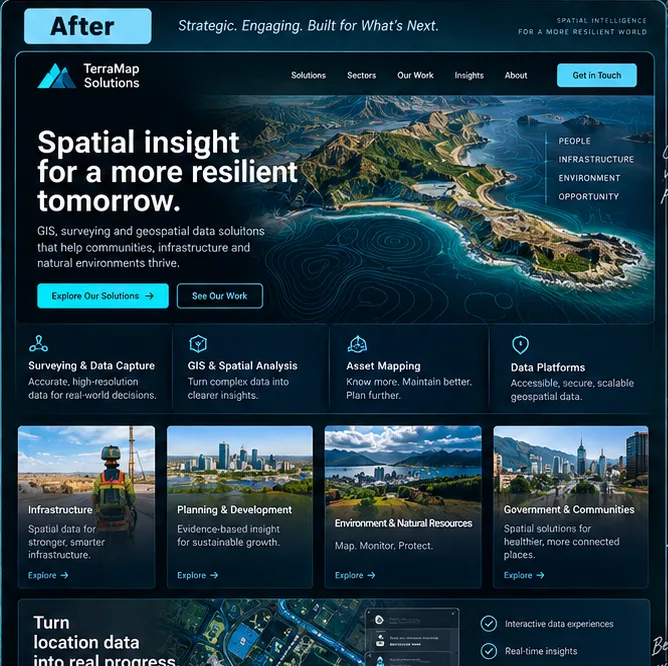
15 / GEOSPATIAL
Geospatial: show what the data helps people decide
“How can this spatial-data team help with our planning, asset or environmental decision?”
BEFORE / BROCHURE ROUTEAFTER / BUYER-LED ROUTE
BEFORE / THE FRICTION
Technical service names and project thumbnails do not yet connect expertise to a buyer's use case.
RESEARCH / WHAT TO LEARN
Interview planners, asset teams and technical buyers; observe how they compare use cases and evidence.
AFTER / WHAT CHANGES
Connect surveying, analysis, mapping and platforms to the sector decisions they support.
TEST / WHAT WOULD PROVE IT
Ask each role to locate a relevant application and explain what information it would request next.
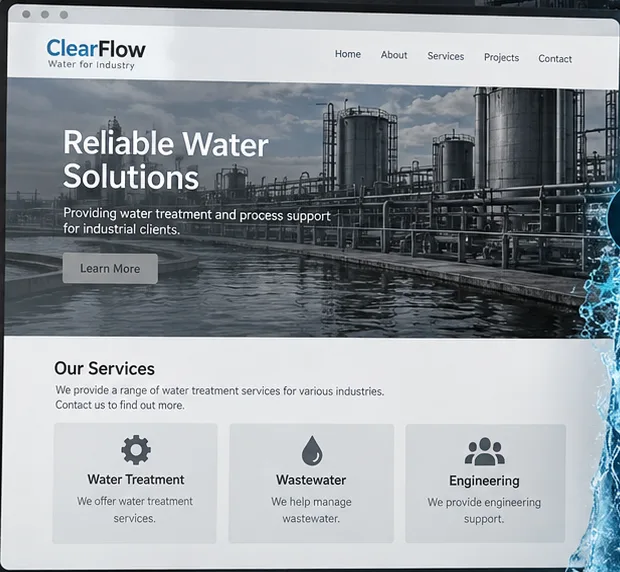
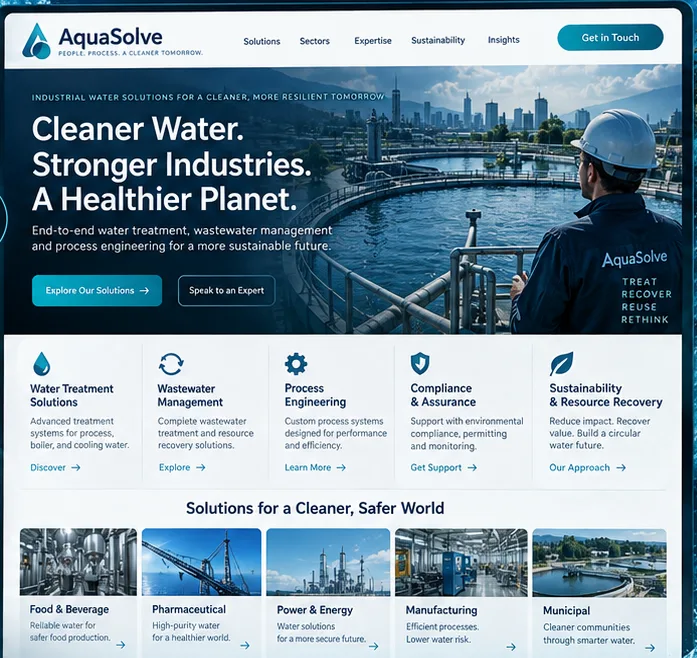
16 / WATER INFRASTRUCTURE
Water: organise a complex offer around the job
“Which water or wastewater capability fits our facility, sector and compliance requirements?”
BEFORE / BROCHURE ROUTEAFTER / BUYER-LED ROUTE
BEFORE / THE FRICTION
A broad water-solutions headline hides the differences between treatment, process engineering and assurance.
RESEARCH / WHAT TO LEARN
Map operator, engineer and procurement questions, then test how they find a fitting solution and sector example.
AFTER / WHAT CHANGES
Show distinct capabilities and industry applications, supported by an expert contact route.
TEST / WHAT WOULD PROVE IT
Ask a buyer to match a facility need to a service and identify the facts needed for a technical conversation.
17 / LOCAL GOVERNMENT
Council: let residents start with the task
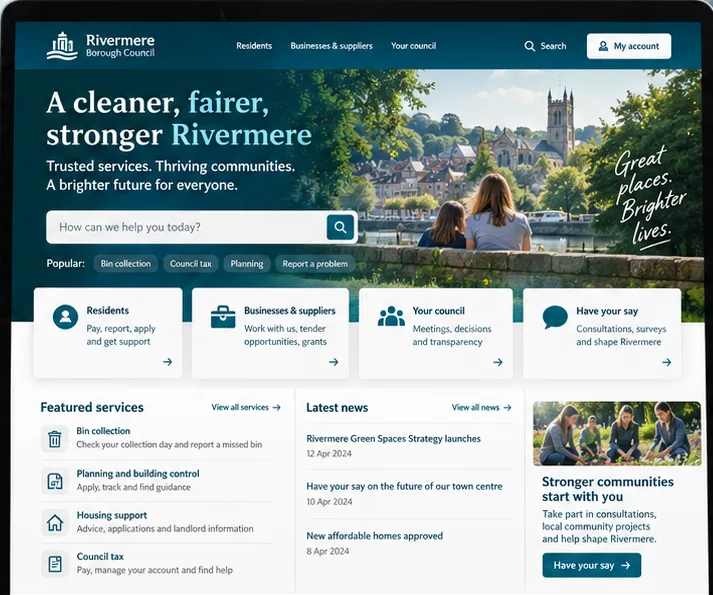
“Can residents complete a common task while suppliers find the right public-sector route?”
BEFORE / BROCHURE ROUTEAFTER / BUYER-LED ROUTE
BEFORE / THE FRICTION
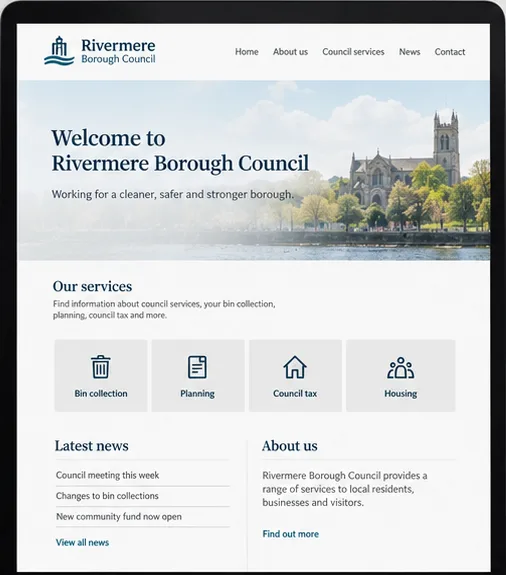
An information-heavy homepage mixes news, services and organisational content before the visitor can act.
RESEARCH / WHAT TO LEARN
Observe residents finding a service and suppliers seeking procurement information; record first-click choices and confusion.
AFTER / WHAT CHANGES
Lead with task search and distinct resident, business and council routes, then reveal supporting content.
TEST / WHAT WOULD PROVE IT
Check whether visitors locate the correct service or supplier route and understand the next action.
18 / HOUSING
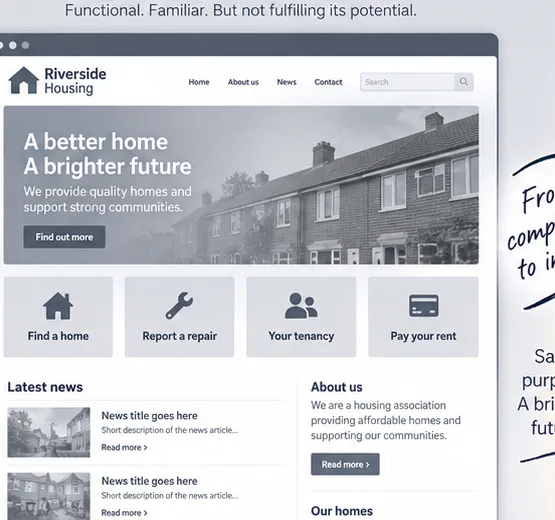
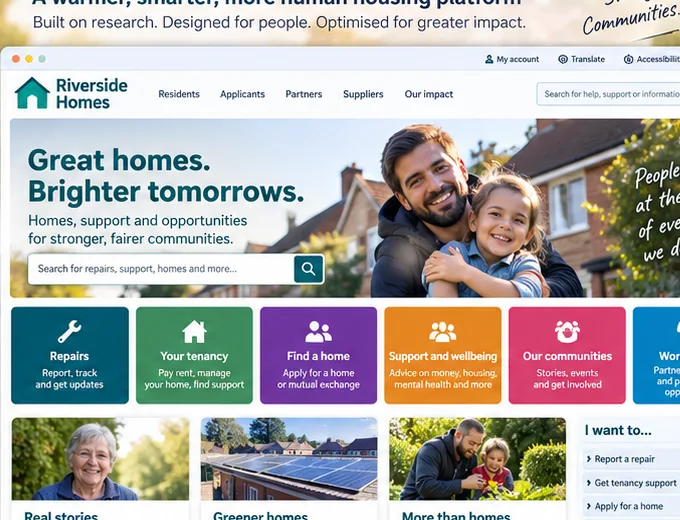
Housing: make repair and support routes immediate
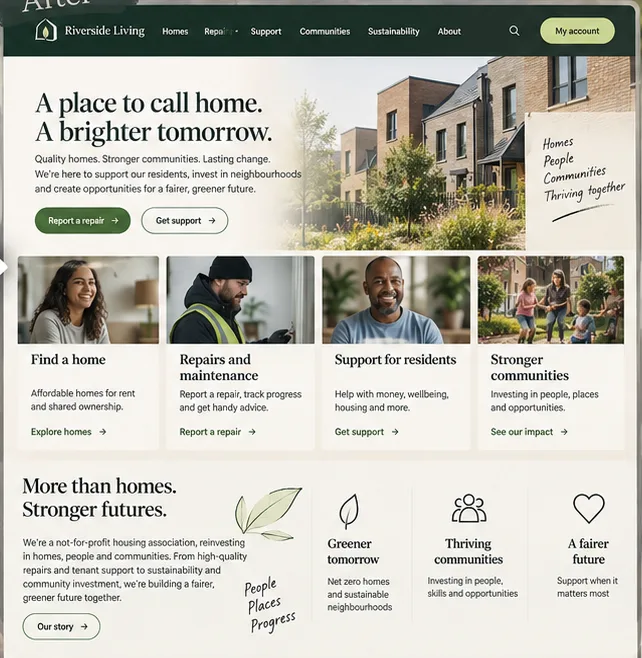
“Can a resident report a repair, find support or understand housing options without searching through generic pages?”
BEFORE / BROCHURE ROUTEAFTER / BUYER-LED ROUTE
BEFORE / THE FRICTION
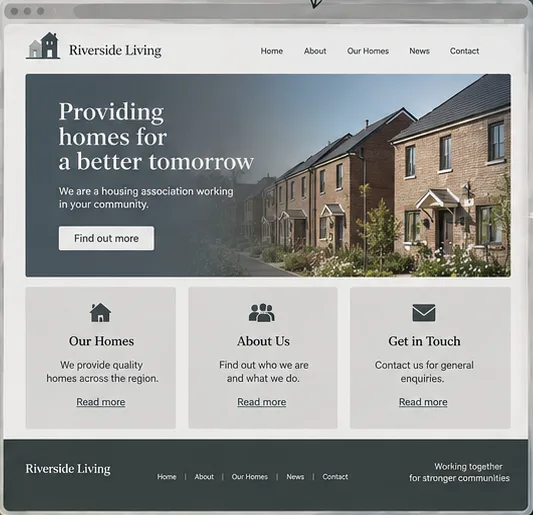
A single general message and three broad links do little to guide residents to specific tasks.
RESEARCH / WHAT TO LEARN
Test real repair, support and housing tasks with residents and staff, including mobile and accessibility needs.
AFTER / WHAT CHANGES
Bring the main resident tasks forward and distinguish homes, repairs, support and community information.
TEST / WHAT WOULD PROVE IT
Measure first-click accuracy and successful completion of the most common resident journeys.
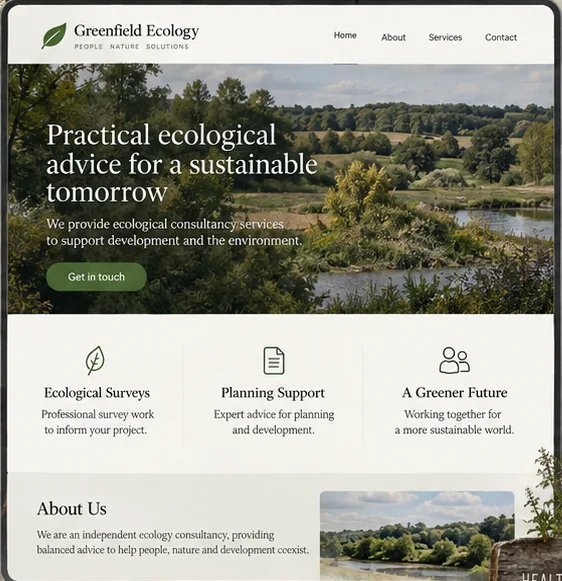
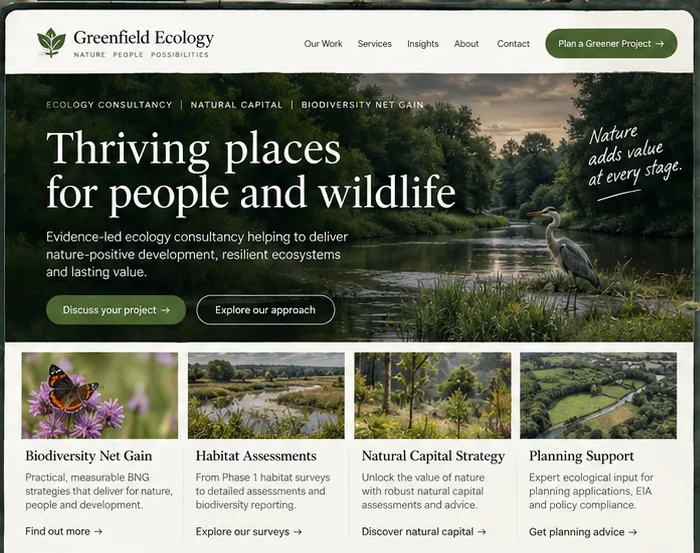
19 / ECOLOGY
Ecology: make the specialist method visible
“Which ecological service fits our development, and how does the team approach the site?”
BEFORE / BROCHURE ROUTEAFTER / BUYER-LED ROUTE
BEFORE / THE FRICTION
A general sustainability promise gives planners little detail on surveys, habitat work or project stages.
RESEARCH / WHAT TO LEARN
Interview developers and planners about their decision points and test how they find survey, biodiversity and planning information.
AFTER / WHAT CHANGES
Give the main disciplines visible routes and connect them to practical project questions.
TEST / WHAT WOULD PROVE IT
Ask a buyer to find a suitable service and explain the information needed to scope an ecology brief.
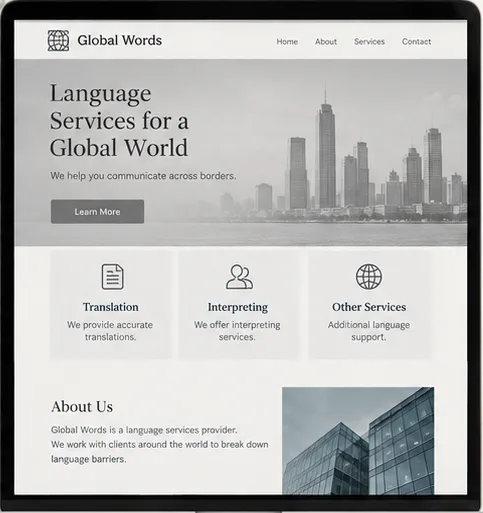
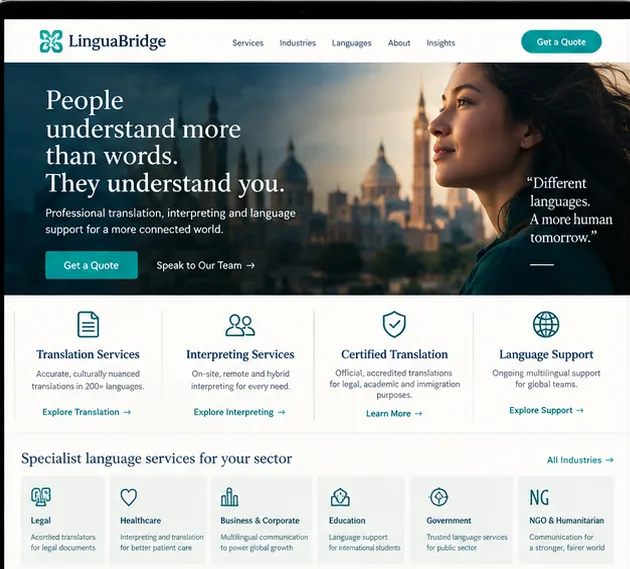
20 / LANGUAGE SERVICES
Language services: show sector fit and next steps
“Can this team handle our language, subject matter and delivery requirements?”
BEFORE / BROCHURE ROUTEAFTER / BUYER-LED ROUTE
BEFORE / THE FRICTION
A generic worldwide claim leaves specialist service, sector context and the quotation route thin.
RESEARCH / WHAT TO LEARN
Ask legal, healthcare and commercial buyers what they need to specify; test whether they can find the right service.
AFTER / WHAT CHANGES
Separate translation, interpreting and support, then connect each to relevant sectors and a practical brief route.
TEST / WHAT WOULD PROVE IT
Check whether a buyer can identify a fitting service and provide enough detail to request a useful quote.
21 / INDUSTRY
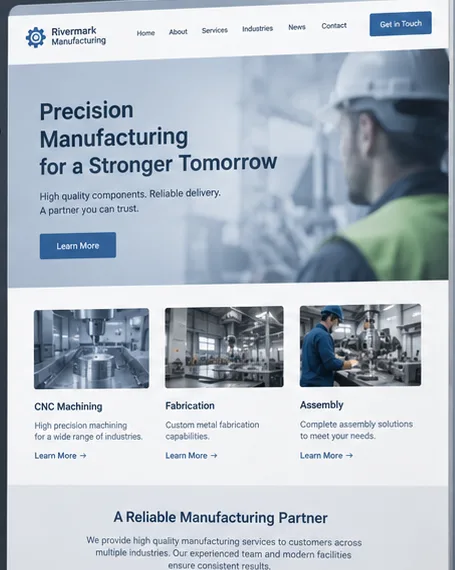
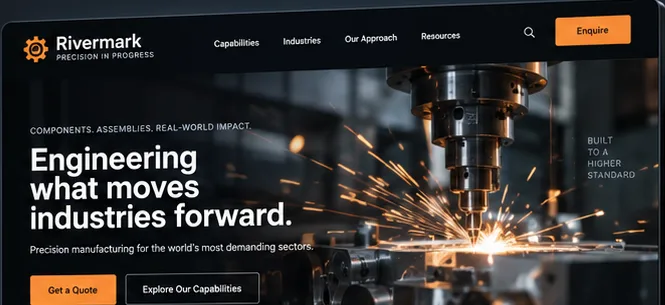
Manufacturing: prove the technical fit
“Can this supplier produce the component we need, to our specification and delivery standard?”
BEFORE / BROCHURE ROUTEAFTER / BUYER-LED ROUTE
BEFORE / THE FRICTION
A general promise and a broad service list make an engineer search for tolerances, sector fit and quality evidence.
RESEARCH / WHAT TO LEARN
Interview technical buyers and observe a specification-finding task. Record the criteria they check before requesting a quote.
AFTER / WHAT CHANGES
Put capabilities, sectors, proof and a specific enquiry route in the first decision path.
TEST / WHAT WOULD PROVE IT
Ask buyers to identify a suitable capability and submit a quote request with the required specification.
22 / HOUSING
Housing: find the right resident service
“Where can a resident complete the task they came for, and where can a partner find the evidence they need?”
BEFORE / BROCHURE ROUTEAFTER / BUYER-LED ROUTE
BEFORE / THE FRICTION
Generic navigation puts news, services and organisational material on the same level without a clear route by need.
RESEARCH / WHAT TO LEARN
Observe residents and partner organisations finding repairs, support and housing information on a working prototype.
AFTER / WHAT CHANGES
Create distinct resident tasks, partner routes and plain-language signposts to next actions.
TEST / WHAT WOULD PROVE IT
Measure whether participants can find the right service and understand the next step without help.
23 / SOFTWARE
Software: show the workflow before the demo
“How would this platform fit our workflow, integrations and security review?”
BEFORE / BROCHURE ROUTEAFTER / BUYER-LED ROUTE
BEFORE / THE FRICTION
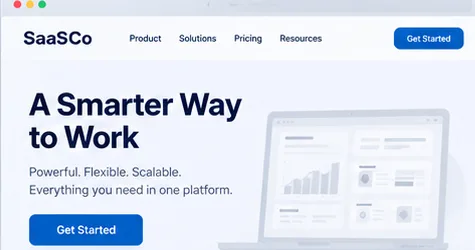
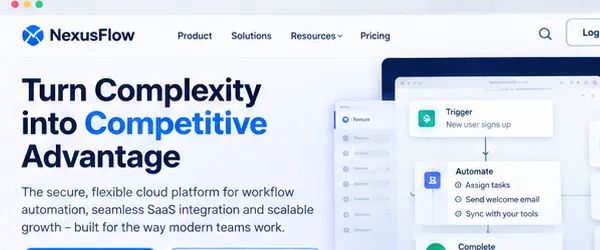
A broad productivity slogan and feature icons leave the buying team to infer how the product actually works.
RESEARCH / WHAT TO LEARN
Have prospective buyers explain their current workflow, then observe them exploring a realistic product scenario.
AFTER / WHAT CHANGES
Show the workflow, integration points and security answers before asking for a sales conversation.
TEST / WHAT WOULD PROVE IT
Check whether a buyer can explain the product's role and locate relevant integration and security information.
24 / PRINT & PRODUCTION
Print: make the service easy to specify
“Can this print partner handle our format, finish and deadline?”
BEFORE / BROCHURE ROUTEAFTER / BUYER-LED ROUTE
BEFORE / THE FRICTION
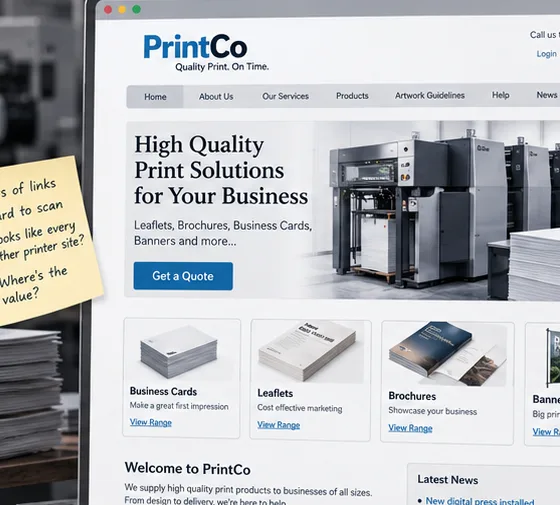
A generic quality claim makes buyers hunt through service pages to judge fit.
RESEARCH / WHAT TO LEARN
Ask buyers to quote a real print brief and note the formats, finishes, samples and response details they seek.
AFTER / WHAT CHANGES
Lead with product applications, material choices, project evidence and a brief-led enquiry.
TEST / WHAT WOULD PROVE IT
See whether a buyer can identify a suitable print route and start an accurate brief.
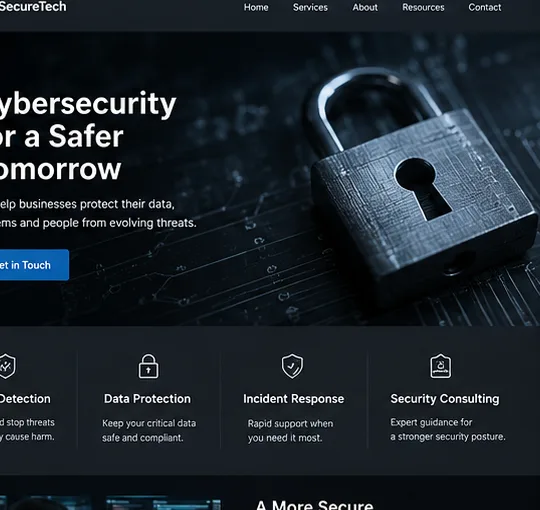
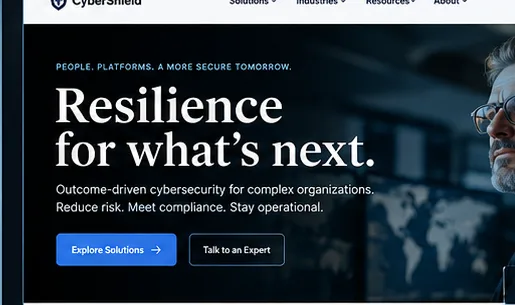
25 / CYBERSECURITY
Cybersecurity: replace reassurance with evidence
“Which service addresses our exposure, and what evidence can we take to the risk committee?”
BEFORE / BROCHURE ROUTEAFTER / BUYER-LED ROUTE
BEFORE / THE FRICTION
A familiar lock image and a general safety claim do little to support a careful buying decision.
RESEARCH / WHAT TO LEARN
Interview security and procurement roles separately; test their ability to find scope, assurance and a suitable next step.
AFTER / WHAT CHANGES
Organise services by risk scenario, surface evidence and make the assessment route specific.
TEST / WHAT WOULD PROVE IT
Check whether each role can match a need to a service and find the proof required for internal review.
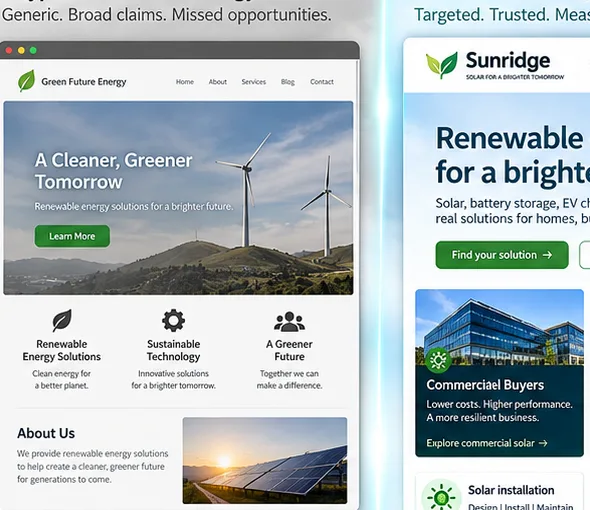
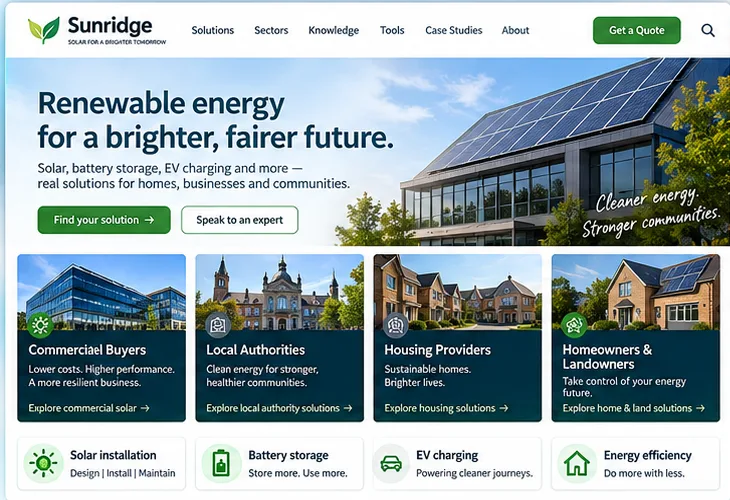
26 / ENERGY
Energy: connect ambition to projects
“Does this provider deliver the kind of renewable project we are planning?”
BEFORE / BROCHURE ROUTEAFTER / BUYER-LED ROUTE
BEFORE / THE FRICTION
A sustainability statement gives little help to a visitor comparing project types, funding routes and delivery capability.
RESEARCH / WHAT TO LEARN
Map the different questions from developers, property owners and partners; test a project comparison task.
AFTER / WHAT CHANGES
Give each project type a clear route, show delivery stages and make relevant examples easy to inspect.
TEST / WHAT WOULD PROVE IT
Ask participants to find the right project route and describe what evidence they still need.
27 / RECRUITMENT
Recruitment: separate the journeys
“Am I here to hire, find a role or evaluate the recruiter's sector expertise?”
BEFORE / BROCHURE ROUTEAFTER / BUYER-LED ROUTE
BEFORE / THE FRICTION
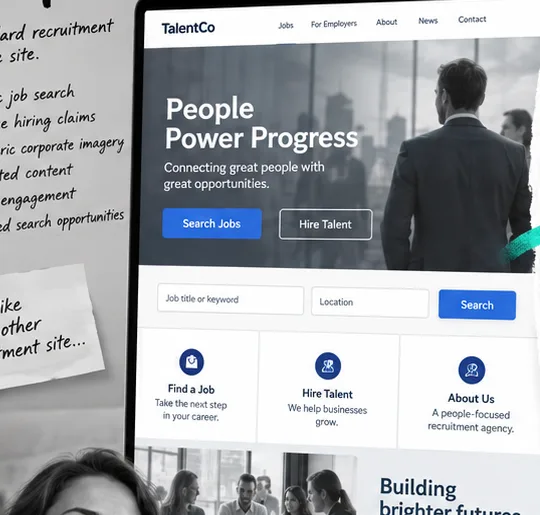
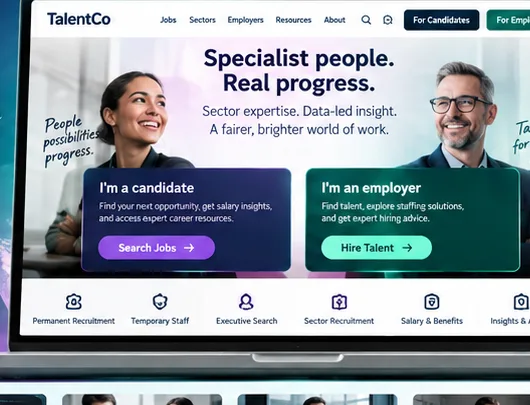
A single people-focused message blends employer and candidate needs into one vague first screen.
RESEARCH / WHAT TO LEARN
Interview hiring teams and candidates separately, then test whether each can find a relevant path immediately.
AFTER / WHAT CHANGES
Present distinct hiring and career routes with sector expertise and proof at the point of choice.
TEST / WHAT WOULD PROVE IT
Measure first-click accuracy and whether each audience can complete its primary task.
28 / PROFESSIONAL SERVICES
Advisory: make the offer understandable
“What problem does this adviser solve, for an organisation like ours?”
BEFORE / BROCHURE ROUTEAFTER / BUYER-LED ROUTE
BEFORE / THE FRICTION
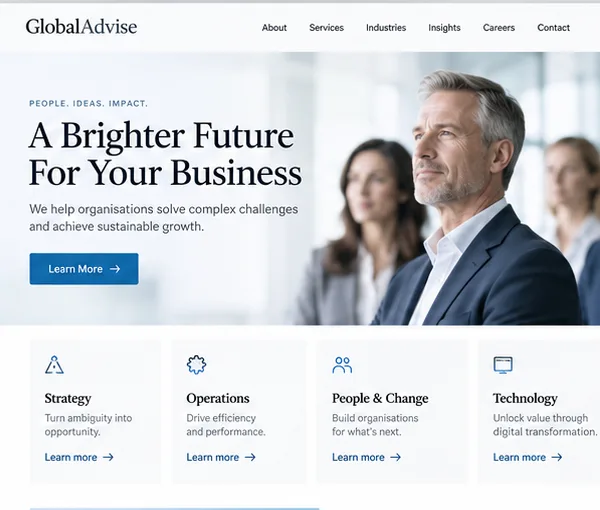
A broad future-focused promise leaves expertise, sector fit and the engagement route unclear.
RESEARCH / WHAT TO LEARN
Test how decision makers describe their issue and which evidence they need before a first meeting.
AFTER / WHAT CHANGES
Explain the specific decision supported, show relevant expertise and offer a proportionate first conversation.
TEST / WHAT WOULD PROVE IT
Ask visitors to identify a relevant service and explain when they would make contact.
29 / MEDICAL TECHNOLOGY
Medtech: answer the clinical and technical questions
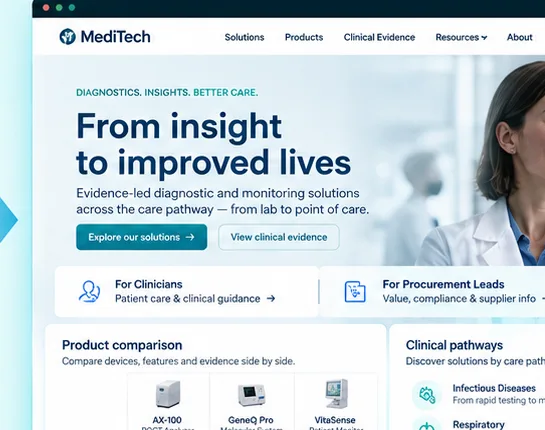
“What is the intended use, what evidence supports it and how would implementation work?”
BEFORE / BROCHURE ROUTEAFTER / BUYER-LED ROUTE
BEFORE / THE FRICTION
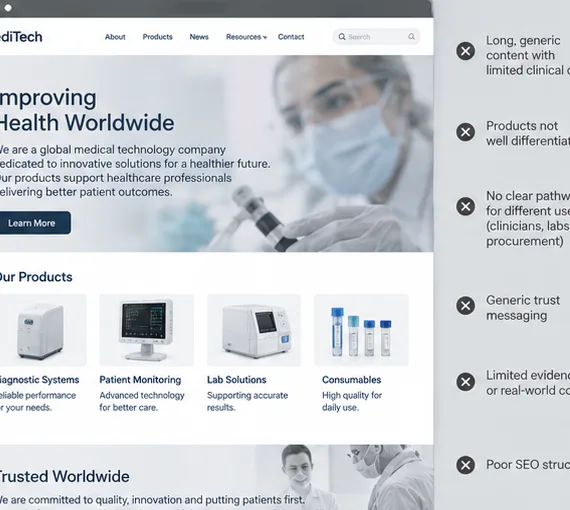
A product-led homepage asks clinical and procurement audiences to piece together the decision themselves.
RESEARCH / WHAT TO LEARN
Observe clinical, technical and procurement roles seeking different facts about one product.
AFTER / WHAT CHANGES
Separate clinical purpose, evidence, product detail and practical implementation into clear routes.
TEST / WHAT WOULD PROVE IT
See whether each role can find the information needed for its next internal conversation.
30 / EVENTS
Events: move from listings to fit
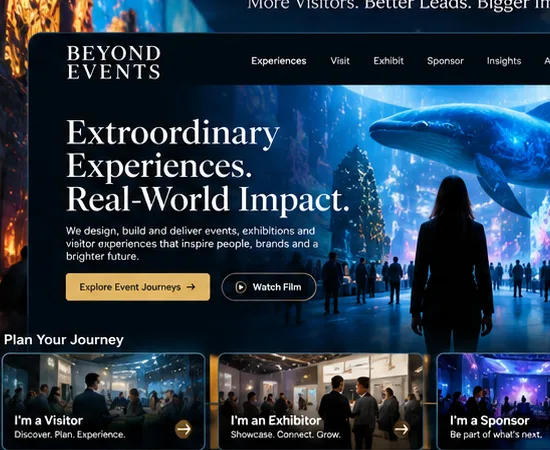
“Can this team produce the kind of event we need, at our scale and in our setting?”
BEFORE / BROCHURE ROUTEAFTER / BUYER-LED ROUTE
BEFORE / THE FRICTION
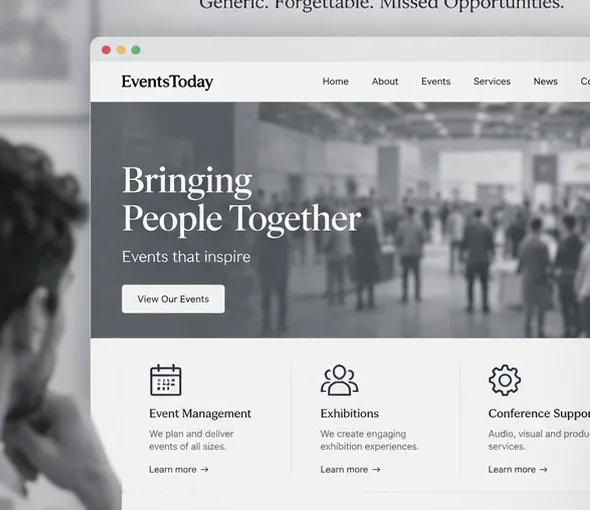
An event list shows activity but gives a buyer little help in evaluating delivery fit.
RESEARCH / WHAT TO LEARN
Listen to organisers compare providers and observe how they use case studies, capacity and planning information.
AFTER / WHAT CHANGES
Lead with experience types, relevant work and a brief route that captures goals and constraints.
TEST / WHAT WOULD PROVE IT
Ask organisers to find a comparable event and start a useful project brief.
Which buying question should your website answer first?
Start with the decision your customer needs to make or the task your team needs to complete. We will scope the work around that.
PEOPLE + SECTOR INTELLIGENCE / ONE CONNECTED RESEARCH DATABASE
Your sector. Your buyers. A researched path.
Our team keeps an eye on changing markets, buyer behaviour, search habits and competing suppliers across 77 sectors. We bring that work together in our in-house sector research database, alongside current studies and the research context in our 2011–2026 reference archive.
Researchers use that shared context to shape the questions, copy, design and tests for your business. Interviews, focus groups, usability sessions and appropriate A/B tests add evidence specific to your buyers. Findings stay connected to the sector, buying role and task, so the whole website works towards the same purpose.
SATISFACTION GUARANTEE / REVIEW BEFORE FINAL APPROVAL
Review with confidence. Approve when you are happy.
We build privately and take you through three review checks. Request your refund before final approval or authorised public deployment, whichever happens first, and we return 100% of covered website fees, including VAT. No questions asked.
Your peace of mind comes first. We listen to your feedback, refine the details and walk you through your website before you approve it.
We apply the ISO 9001 quality management method and the ISO/IEC 27001 information security method across research, design, development, release and ongoing improvement. Each connects the work to named owners, checks and reviewable records.
ISO 9001 / QUALITY✓
Requirements become checked, approved work.
We define the buyer task and acceptance criteria, record research and design decisions, review changes, test the agreed journeys and approve the release against its requirements.
We map information flows, assess risks, choose relevant controls and review access, suppliers and changes. Backup and response checks inform the next security review.