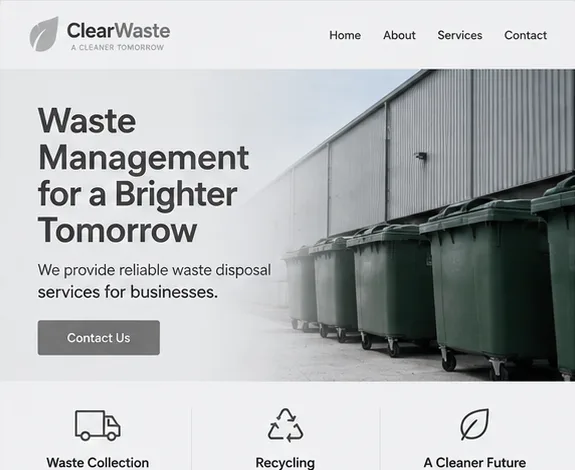
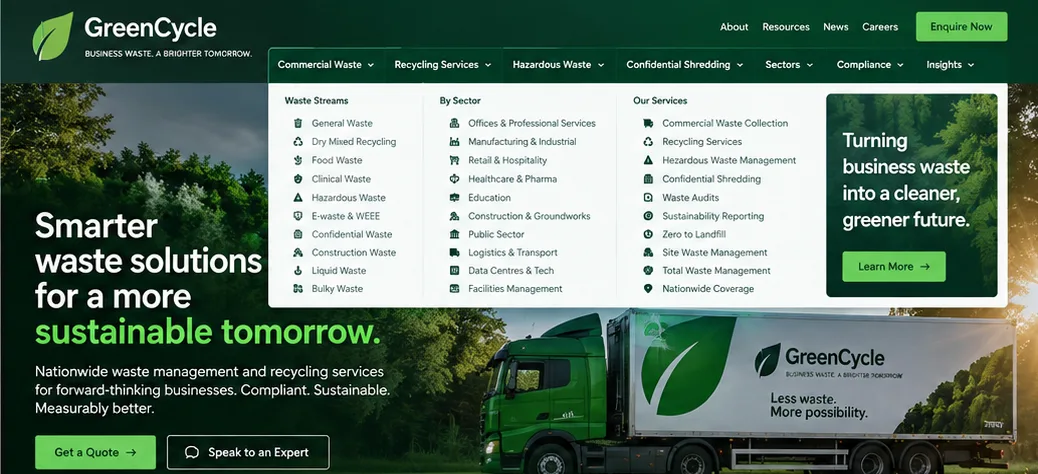
What needs answering?
How can a visitor move from an emotional first impression to a specific reason to enquire?
 Research BuiltRESEARCH · DESIGN · SOFTWARE
Early discovery can be unbranded. Client readouts omit participant names.
Residential, development and exhibition directions test how a strong image can lead into practical proof about a place.
Content, interaction and visual direction for a complex decision. Each image has its own research-to-action trail.
Follow the R&D route from the audience question through design and evaluation.
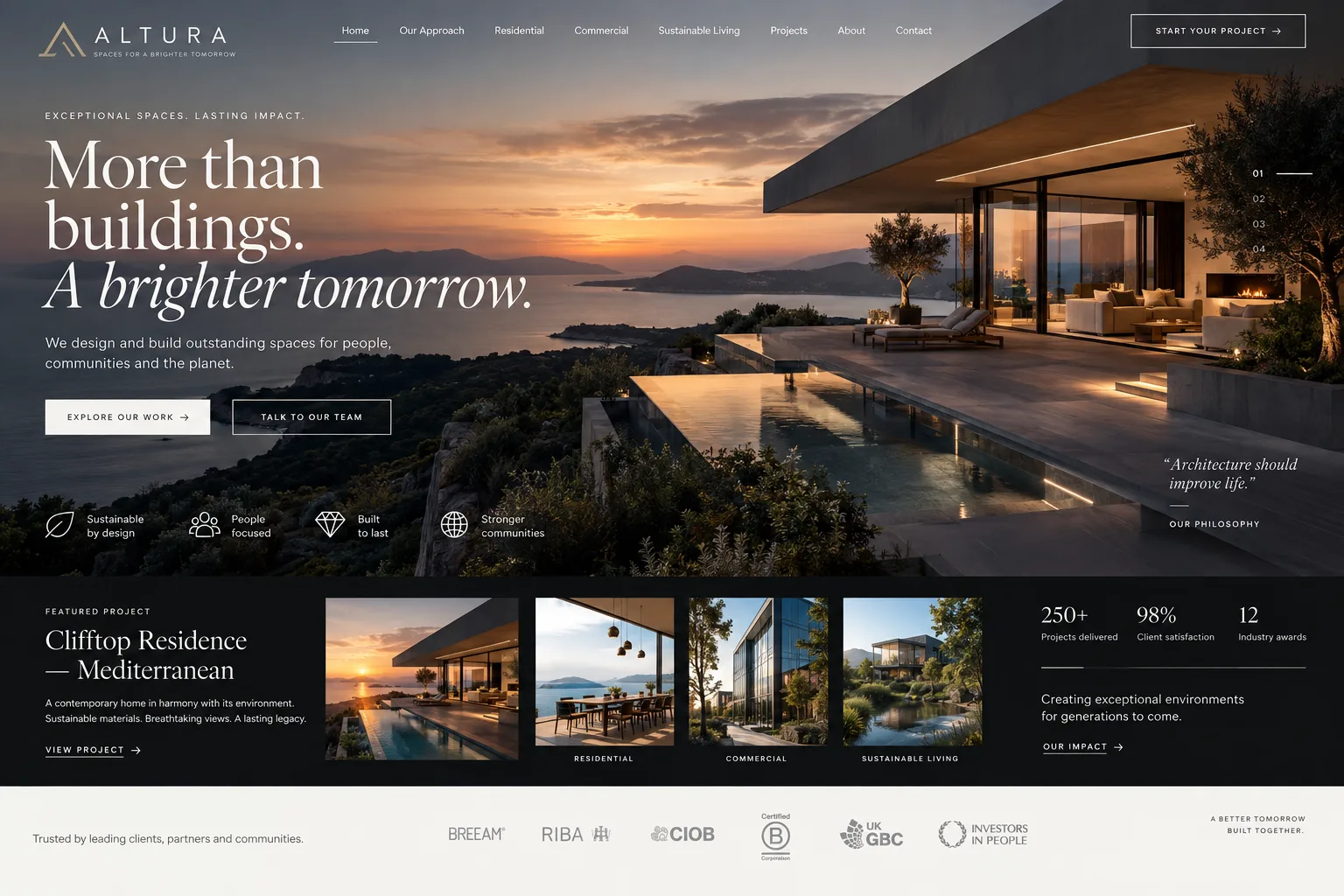
How can a visitor move from an emotional first impression to a specific reason to enquire?
Map the questions of residents, buyers, partners and communities separately. Check which environmental and delivery claims have evidence before they appear in public copy.
The supplied visuals explore cinematic property imagery, quieter sustainability cues, project cards and a clear route into place details.
Test whether visitors can find location, specification, availability and the right contact route without relying on the hero image. Verify every metric, logo and project statement before launch.
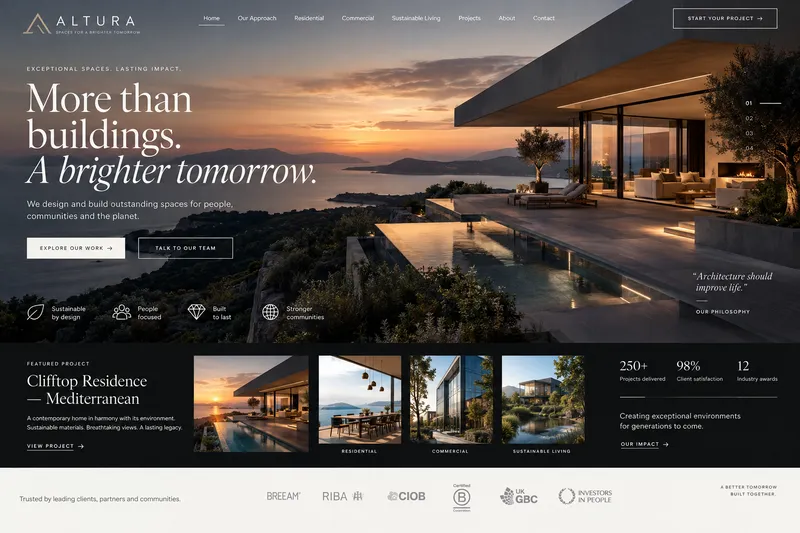
What should a developer lead with when the setting is visually compelling?
Follow the audience question, the visual response, the build and the task that would test it.
Interview property buyers and partners about the project facts needed after a strong first impression.
The wide landscape establishes atmosphere, then moves towards a named featured project and four practical themes.
Follow the landscape opening with location, specification, availability and approved project evidence before contact.
Ask prospective buyers and partners to locate the project facts they need; confirm all performance and partner marks shown in the mockup.
The panoramic setting creates a memorable arrival and gives the featured project a clear sense of place.
Easy access to project facts gives interested visitors a concrete reason to request details or arrange a conversation.
Time project-fact discovery and monitor qualified detail requests and contact starts.
Can sustainability be made tangible rather than merely decorative?
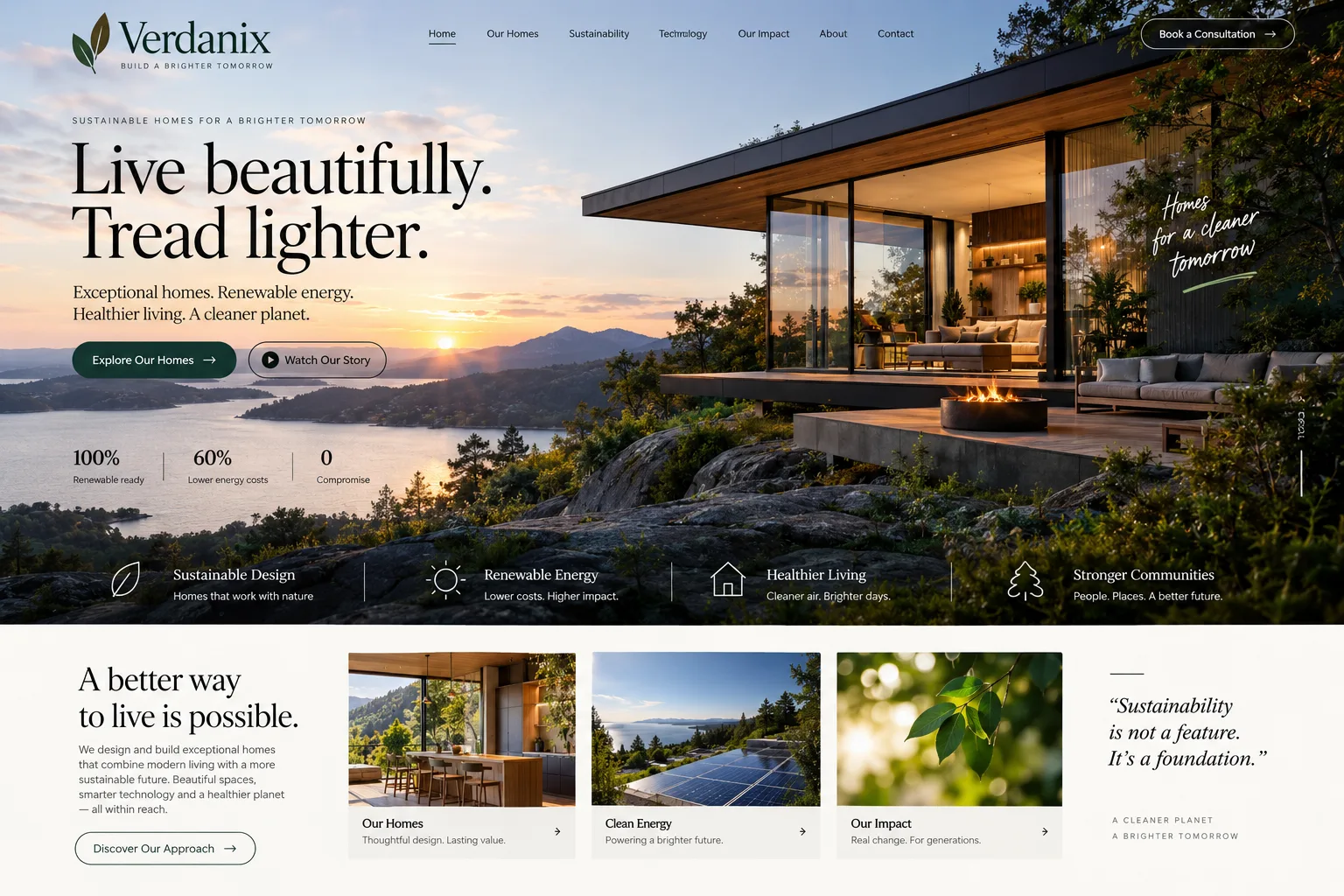
Follow the audience question, the visual response, the build and the task that would test it.
Ask home buyers how they compare energy features, running costs and day-to-day suitability.
A lived-in home image sits beside renewable energy, healthier-living and project-impact routes.
Make sustainability claims inspectable beside home details, availability and a comparison route.
Check whether the environmental statements have measurable definitions and whether visitors can compare real homes.
A lived-in home scene connects the environmental idea to everyday experience rather than an abstract badge.
Comparable home facts help visitors select a suitable property and make an informed enquiry.
Test claim comprehension, home comparison, availability finds and relevant enquiries.
How can a place-led proposition show breadth without losing the next action?
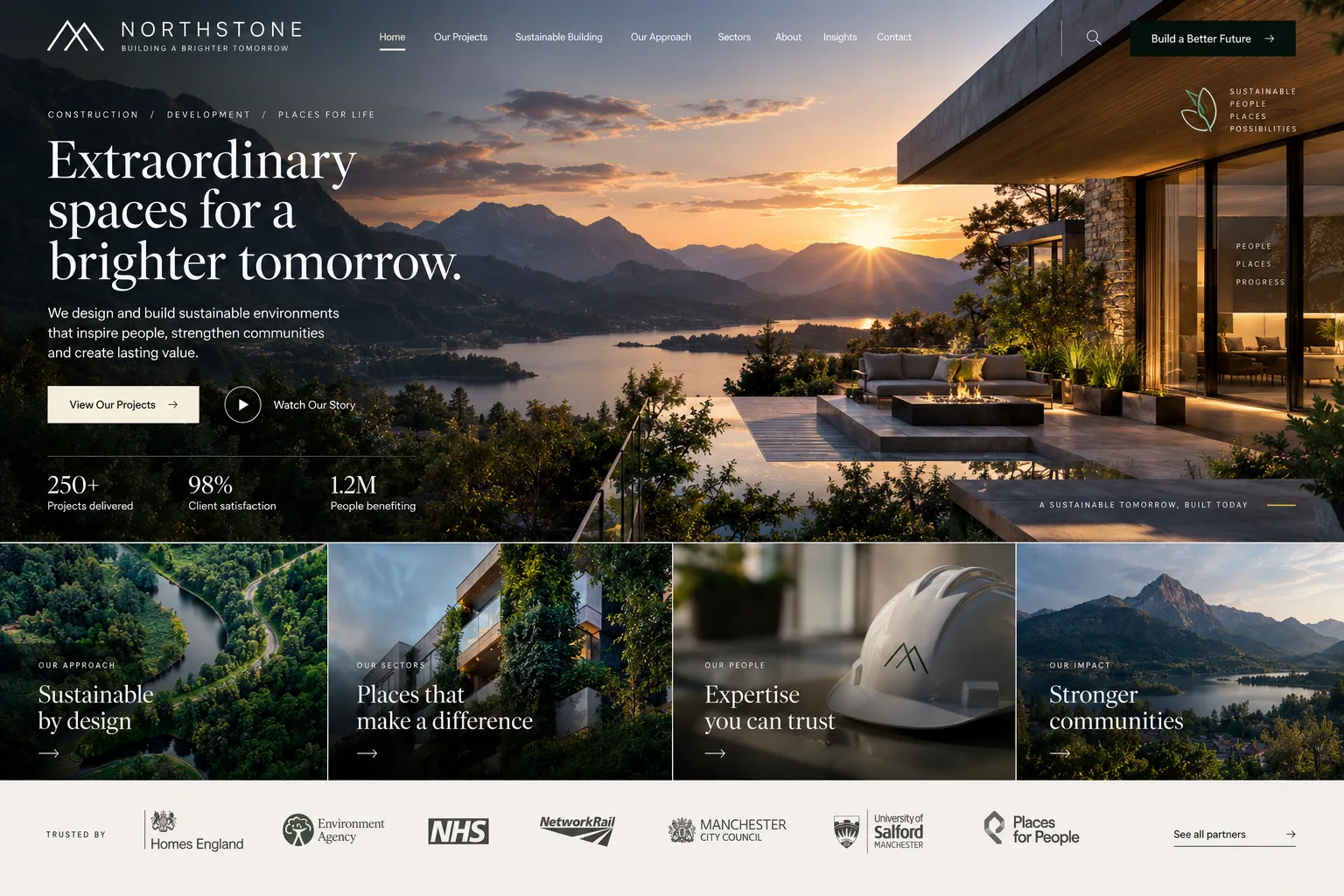
Follow the audience question, the visual response, the build and the task that would test it.
Map how buyers and partners move from a place-led image to project, community and delivery questions.
The direction pairs one striking destination with clear paths into design, communities and projects.
Create project and community routes with approved details, clear location cues and a project-specific enquiry.
Remove or verify all institutional marks and numerical claims; test the route from project discovery to enquiry.
One dramatic destination image invites exploration while simple choices reveal the breadth of the offer.
Visitors can identify a real project of interest and contact the right team with context.
Track project discovery, detail-page engagement and enquiries tied to a named development.
How should a retrofit or clean-energy offer explain what it actually does?
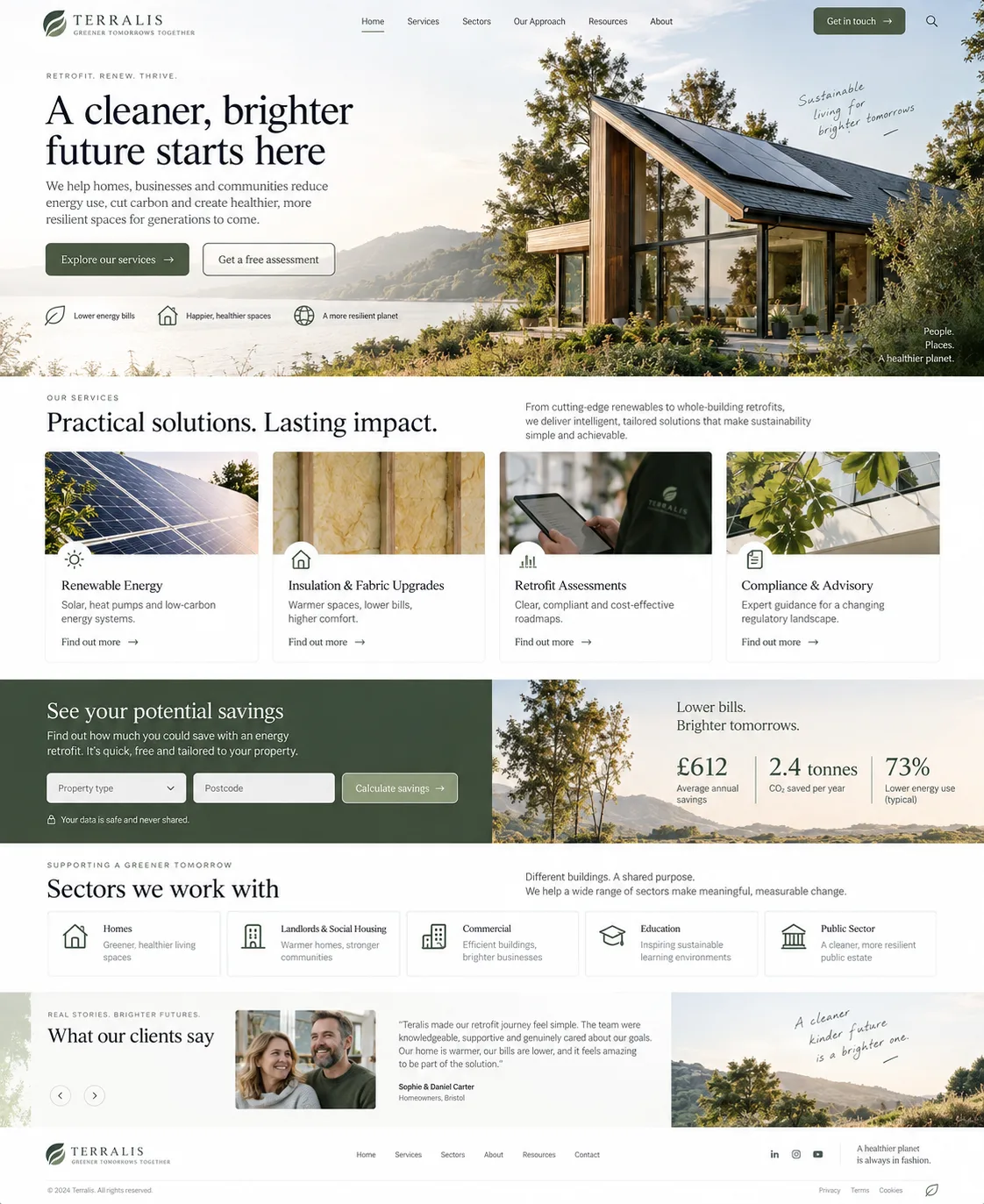
Follow the audience question, the visual response, the build and the task that would test it.
Ask property and commercial users which retrofit service fits their site and what a savings estimate must explain.
Service categories, a simple savings prompt and sector routes follow an optimistic opening image.
Connect sector and service routes to a clearly defined estimator and a request for a scoped assessment.
Test whether users can select the relevant service and understand how any savings estimate would be calculated.
An optimistic energy image creates momentum while the service categories explain the actual offer.
A visitor who understands fit and estimate assumptions can request a relevant assessment.
Check service matching, estimate comprehension and assessment requests with usable site information.
How might an exhibition-space brand turn spectacle into a usable brief?
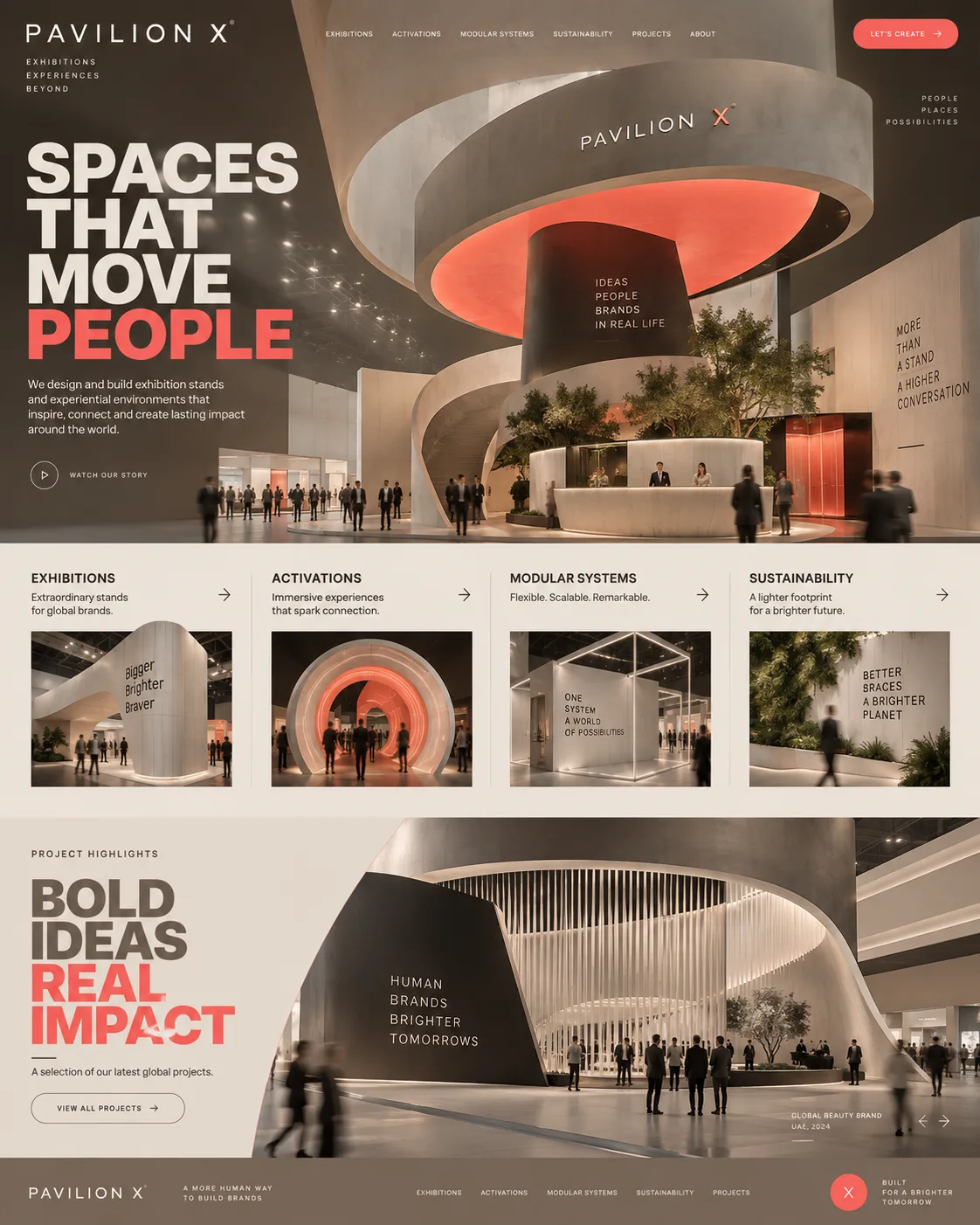
Follow the audience question, the visual response, the build and the task that would test it.
Ask exhibitors which dimensions, services, constraints and costs they need before preparing a brief.
Large-scale architecture gives the first impression; modular services and project imagery explain what could be built.
Connect the architectural showcase to space specifications, production services and a structured exhibitor brief.
Give a potential exhibitor a real brief task and see whether they can identify scope, constraints and a contact route.
The large-scale environment communicates possibility immediately; service modules reveal what could actually be commissioned.
Scope and constraint answers help a potential exhibitor submit an actionable project request.
Test specification finds, service fit and brief submissions containing dates, space and requirements.
The visual shift follows a specific buyer question. Open each example for the method, page decision and test.
Four interface directions explore how dense operational information can become a clearer daily action.
Start with the decision your customer needs to make or the task your team needs to complete. We will scope the work around that.
Our team keeps an eye on changing markets, buyer behaviour, search habits and competing suppliers across 77 sectors. We bring that work together in our in-house sector research database, alongside current studies and the research context in our 2011–2026 reference archive.
Researchers use that shared context to shape the questions, copy, design and tests for your business. Interviews, focus groups, usability sessions and appropriate A/B tests add evidence specific to your buyers. Findings stay connected to the sector, buying role and task, so the whole website works towards the same purpose.
We build privately and take you through three review checks. Request your refund before final approval or authorised public deployment, whichever happens first, and we return 100% of covered website fees, including VAT. No questions asked.
Your peace of mind comes first. We listen to your feedback, refine the details and walk you through your website before you approve it.
We apply the ISO 9001 quality management method and the ISO/IEC 27001 information security method across research, design, development, release and ongoing improvement. Each connects the work to named owners, checks and reviewable records.
We define the buyer task and acceptance criteria, record research and design decisions, review changes, test the agreed journeys and approve the release against its requirements.
We map information flows, assess risks, choose relevant controls and review access, suppliers and changes. Backup and response checks inform the next security review.