What needs answering?
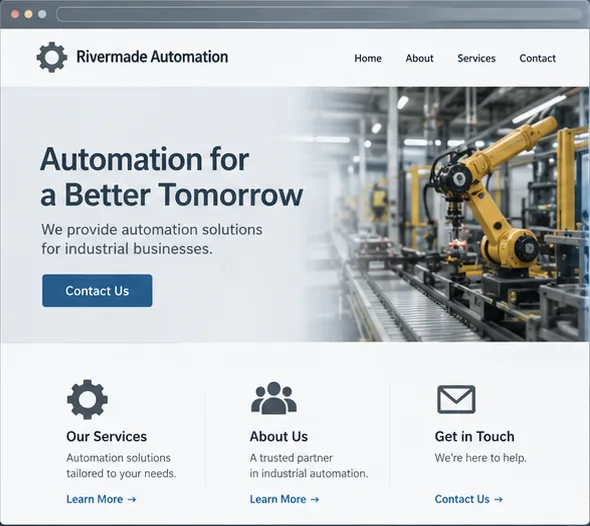
How can a complex B2B offer make capability, scope and next actions clear at a glance?
 Research BuiltRESEARCH · DESIGN · SOFTWARE
Early discovery can be unbranded. Client readouts omit participant names.
Transport, infrastructure and technical operations expressed through clear tasks and powerful visual systems.
Content, interaction and visual direction for a complex decision. Each image has its own research-to-action trail.
Follow the R&D route from the audience question through design and evaluation.
How can a complex B2B offer make capability, scope and next actions clear at a glance?
Map the procurement journey: qualification criteria, operational proof, technical detail and the person who owns each decision.
A connected command centre, infrastructure narrative and layered technical interface show different routes into the same decision.
Ask buyers to find the right capability, specification and enquiry route; replace any illustrative dashboard value with live approved data.
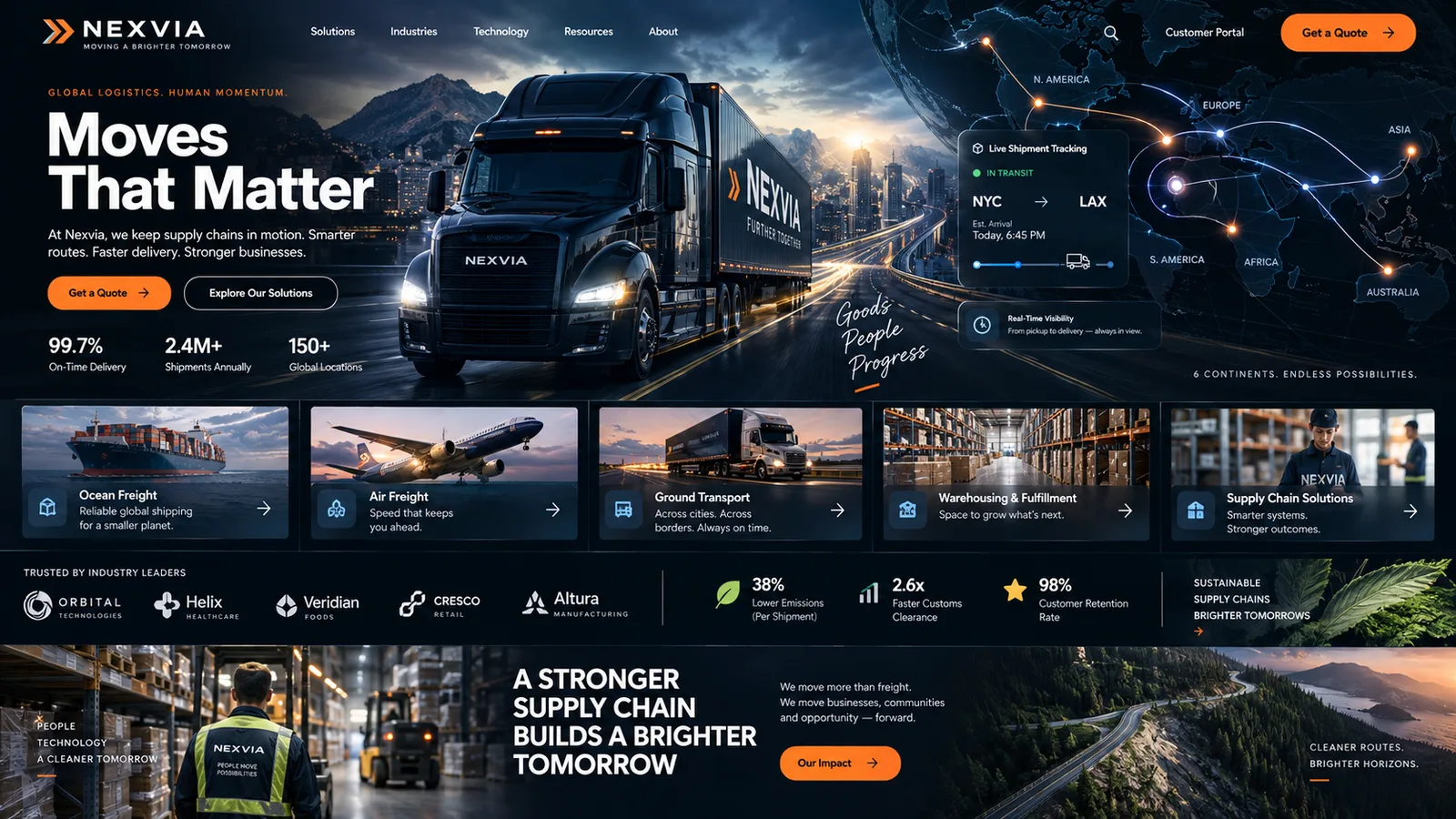
Can transport buyers locate coverage, operations and a useful quote route?
Follow the audience question, the visual response, the build and the task that would test it.
Interview logistics buyers about coverage, service fit, load details and the information required before requesting a quote.
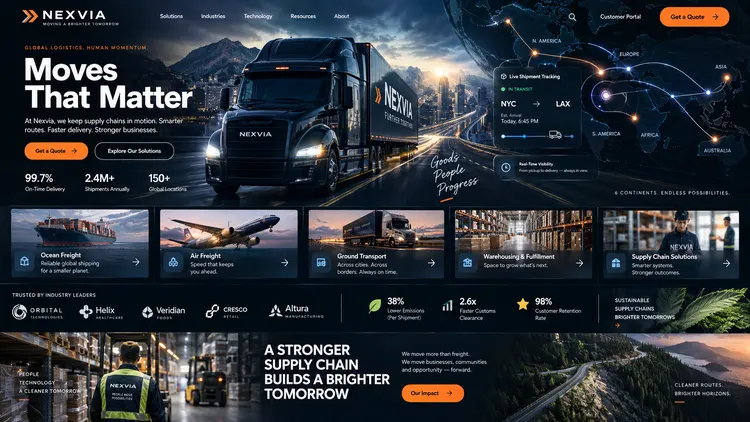
Freight imagery and route lines connect to service pathways and a clear enquiry action.
Connect region and service selection to proof of operating capability, then carry the selected route into the quote form.
Test region and service selection against real network data.
A wide freight scene establishes the sector immediately; illuminated route lines lead the eye toward service choices.
Coverage and capability answers reduce qualification work before a buyer starts a route-specific quote request.
Track correct service selection, qualified quote starts, completions and requests needing clarification.
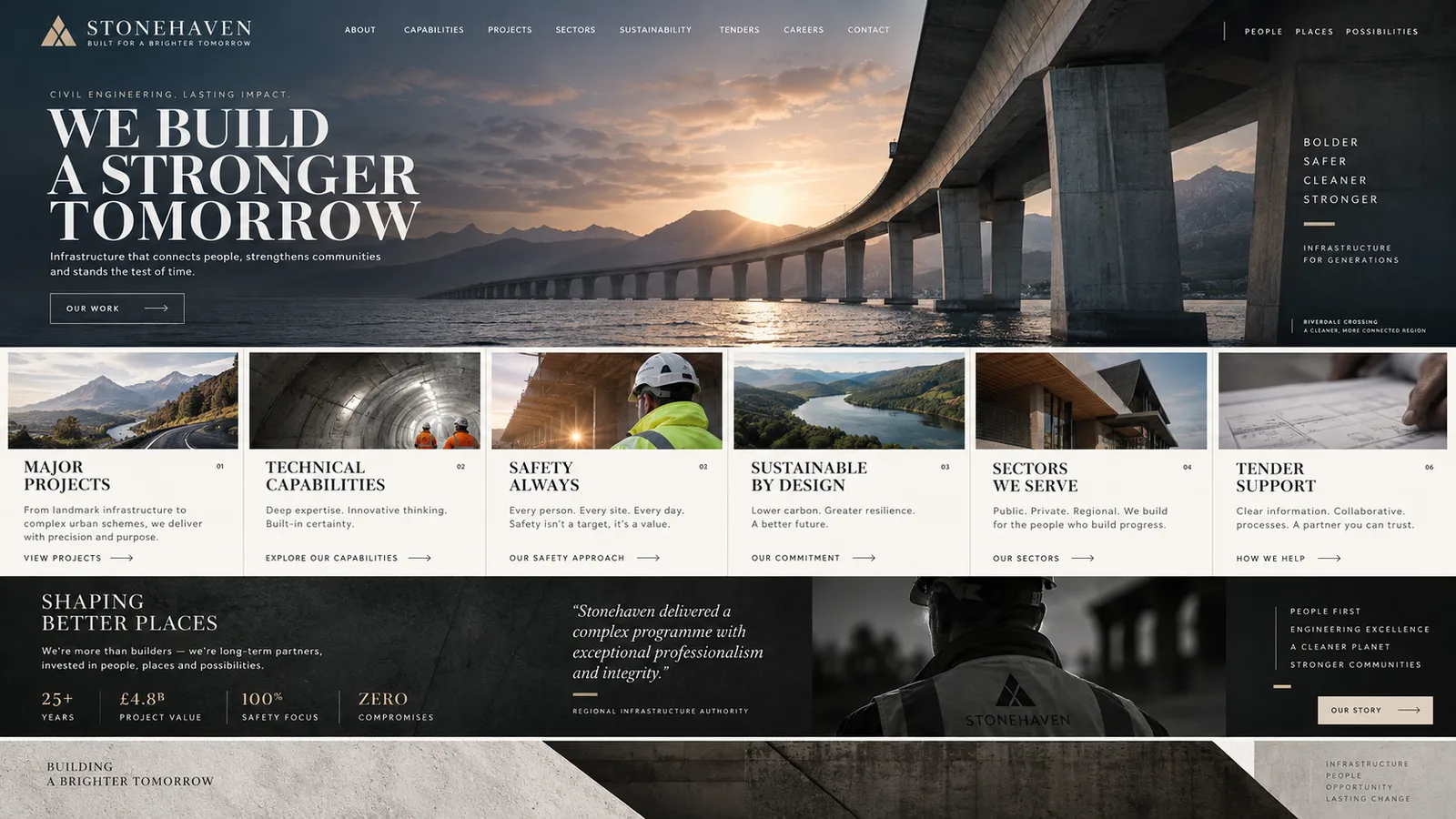
Can an infrastructure provider make scope and delivery evidence easy to scan?
Follow the audience question, the visual response, the build and the task that would test it.
Ask procurement and engineering teams which sectors, project facts and delivery evidence they need to shortlist a provider.
Large-scale engineering imagery is paired with sector routes and project cards.
Organise projects by sector and capability, with scope, method and approved delivery facts beside the enquiry route.
Test project filtering and claims with procurement and engineering teams.
The large construction image signals scale; structured project cards turn that first impression into inspectable proof.
Relevant project evidence gives a technical buyer a specific reason to open a capability enquiry.
Measure project-filter use, specification finds and enquiries referencing a relevant project.
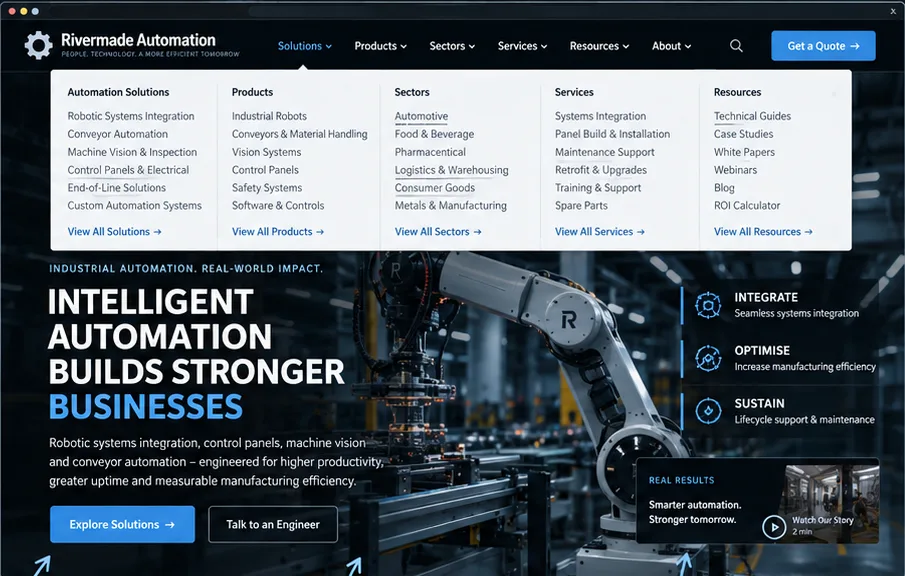
Can a technical proposition feel advanced and remain legible?
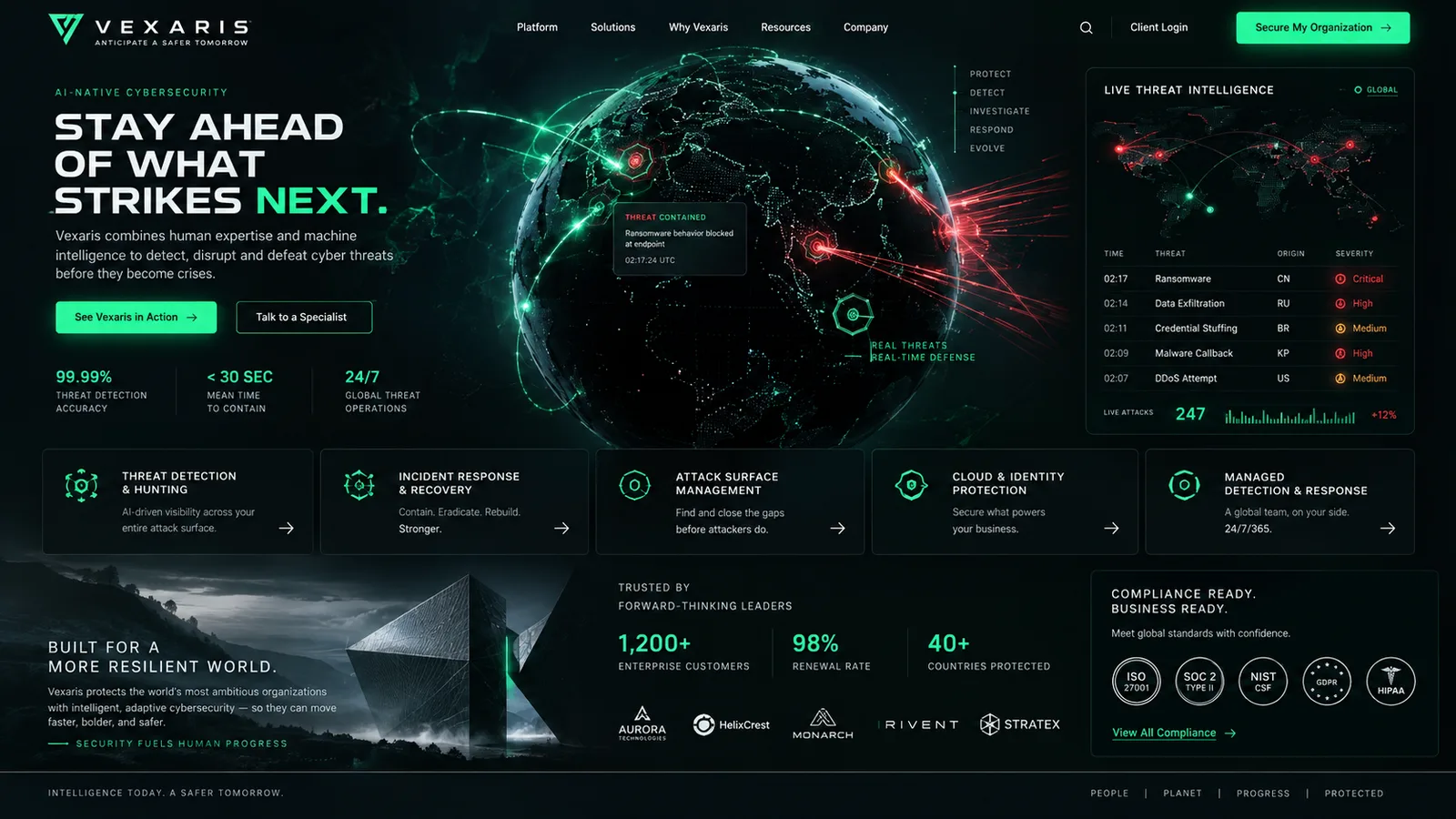
Follow the audience question, the visual response, the build and the task that would test it.
Observe technical buyers finding product specifications and record the terms they use for each system component.
Dark technical imagery, system diagrams and prominent task routes create a control-room feel.
Turn the control-room visual into an accessible product map with plain-language routes to specifications and support.
Check contrast, terminology and the path to concrete product detail.
Dark imagery and luminous diagrams suggest technical depth while contrasting task routes keep the page navigable.
A clear path from system overview to exact product detail supports a better-qualified technical conversation.
Check product-detail findability, terminology comprehension, task completion and qualified technical enquiries.
The visual shift follows a specific buyer question. Open each example for the method, page decision and test.
Built environment, housing and social impact directions connect an emotional first impression to practical information.
Start with the decision your customer needs to make or the task your team needs to complete. We will scope the work around that.
Our team keeps an eye on changing markets, buyer behaviour, search habits and competing suppliers across 77 sectors. We bring that work together in our in-house sector research database, alongside current studies and the research context in our 2011–2026 reference archive.
Researchers use that shared context to shape the questions, copy, design and tests for your business. Interviews, focus groups, usability sessions and appropriate A/B tests add evidence specific to your buyers. Findings stay connected to the sector, buying role and task, so the whole website works towards the same purpose.
We build privately and take you through three review checks. Request your refund before final approval or authorised public deployment, whichever happens first, and we return 100% of covered website fees, including VAT. No questions asked.
Your peace of mind comes first. We listen to your feedback, refine the details and walk you through your website before you approve it.
We apply the ISO 9001 quality management method and the ISO/IEC 27001 information security method across research, design, development, release and ongoing improvement. Each connects the work to named owners, checks and reviewable records.
We define the buyer task and acceptance criteria, record research and design decisions, review changes, test the agreed journeys and approve the release against its requirements.
We map information flows, assess risks, choose relevant controls and review access, suppliers and changes. Backup and response checks inform the next security review.